
After an absence of 150 years, a rare species of bandicoot has been reintroduced to part of its former range in south-western NSW.
Story Samille Mitchell Photo Michael Daddow/Australian Wildlife Conservancy
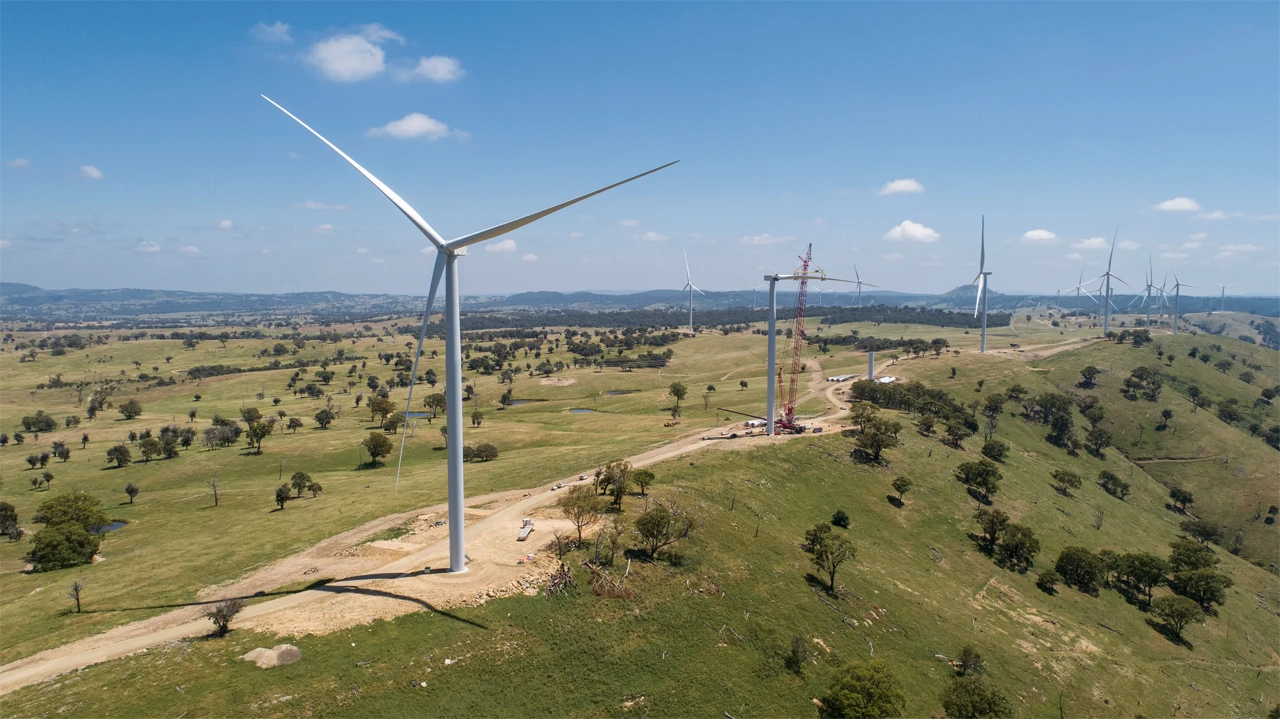
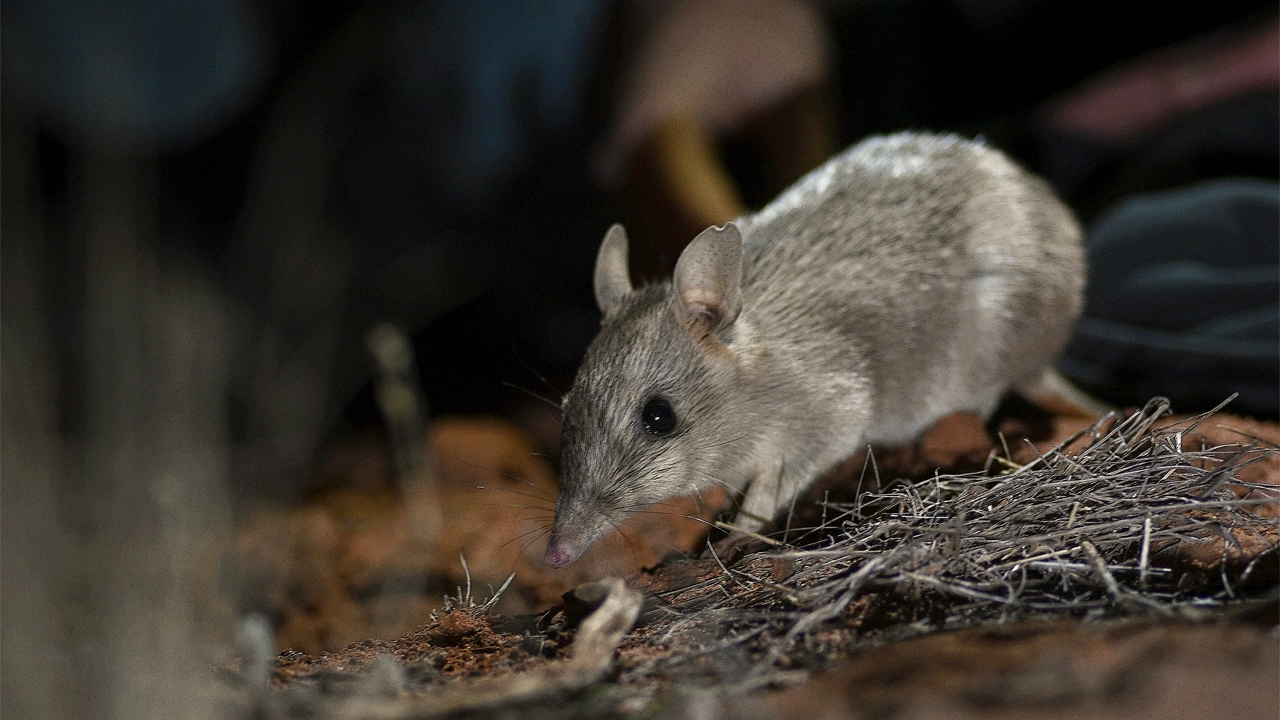
On a cool, starlit night in April, a team of conservationists ventures into the bush in Mallee Cliffs National Park in south-western NSW, cradling 40 precious bundles between them. Lit by the glow of headtorches, they walk into a 9,750ha fenced enclosure set deep within the semi-arid landscape. They stop at predesignated sites, crouch down, open bags carrying their fragile cargo and place them on the ground. Then they sit back and watch with delight as pairs of rare Shark Bay bandicoots emerge from their makeshift pouches and slip into the darkness.
The smallest of the bandicoot species, weighing in at just 220g, these diminutive creatures are at great risk of predation. Like many other small and medium-sized native Australian marsupials, close relatives of the Shark Bay bandicoots have fallen victim to fox and cat predation and become extinct in NSW. They once occurred over much of Australia’s southern arid regions, but by 1940 survived only on two lonely islands off Shark Bay, WA. Today, mainland populations exist only in fenced, predator-free conservation areas, where the solitary, nocturnal animals shelter by day in nests amid low shrubs.
This story excerpt is from issue #167
Outback Magazine: June/July 2026