
Major renewable energy projects are proliferating in rural Australia, and while some communities and individuals are enjoying the benefits, others are facing challenges.
Story by Ken Eastwood. 25 min read.
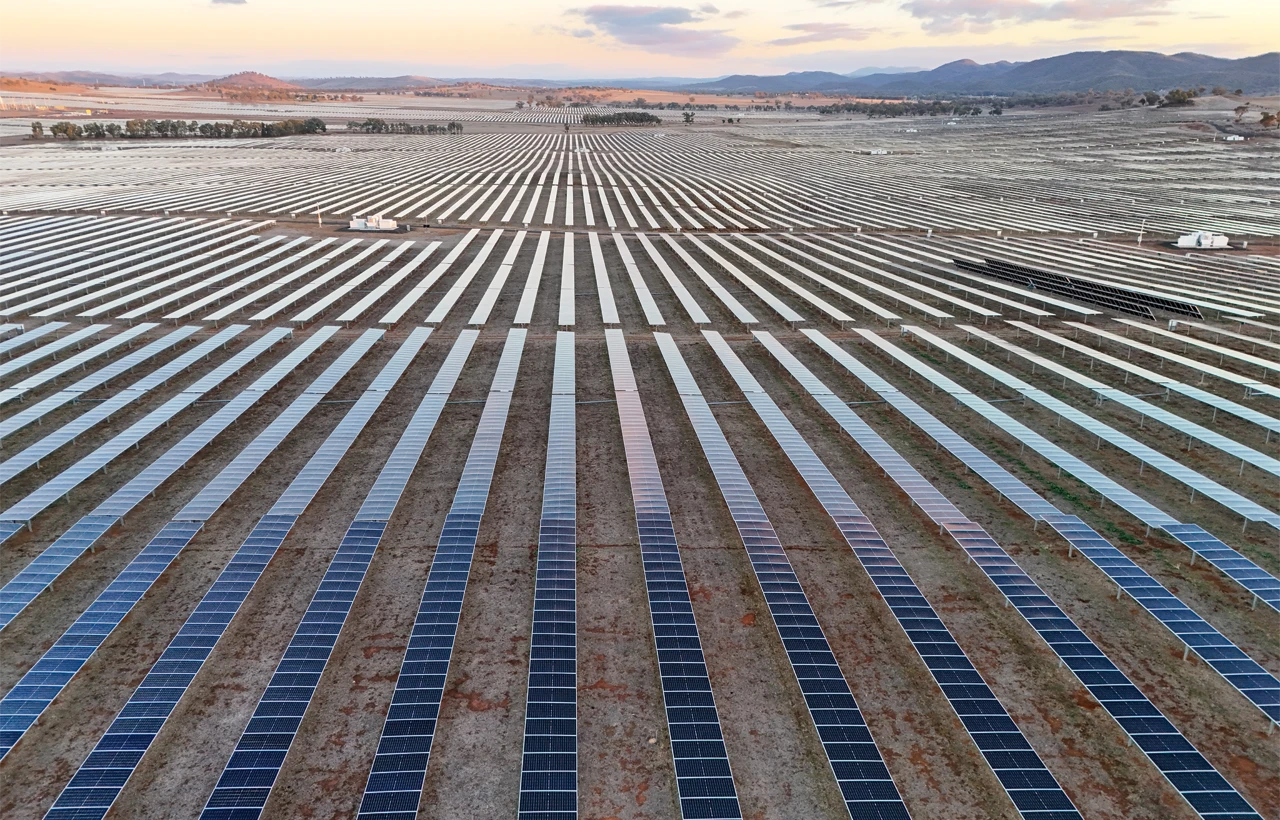
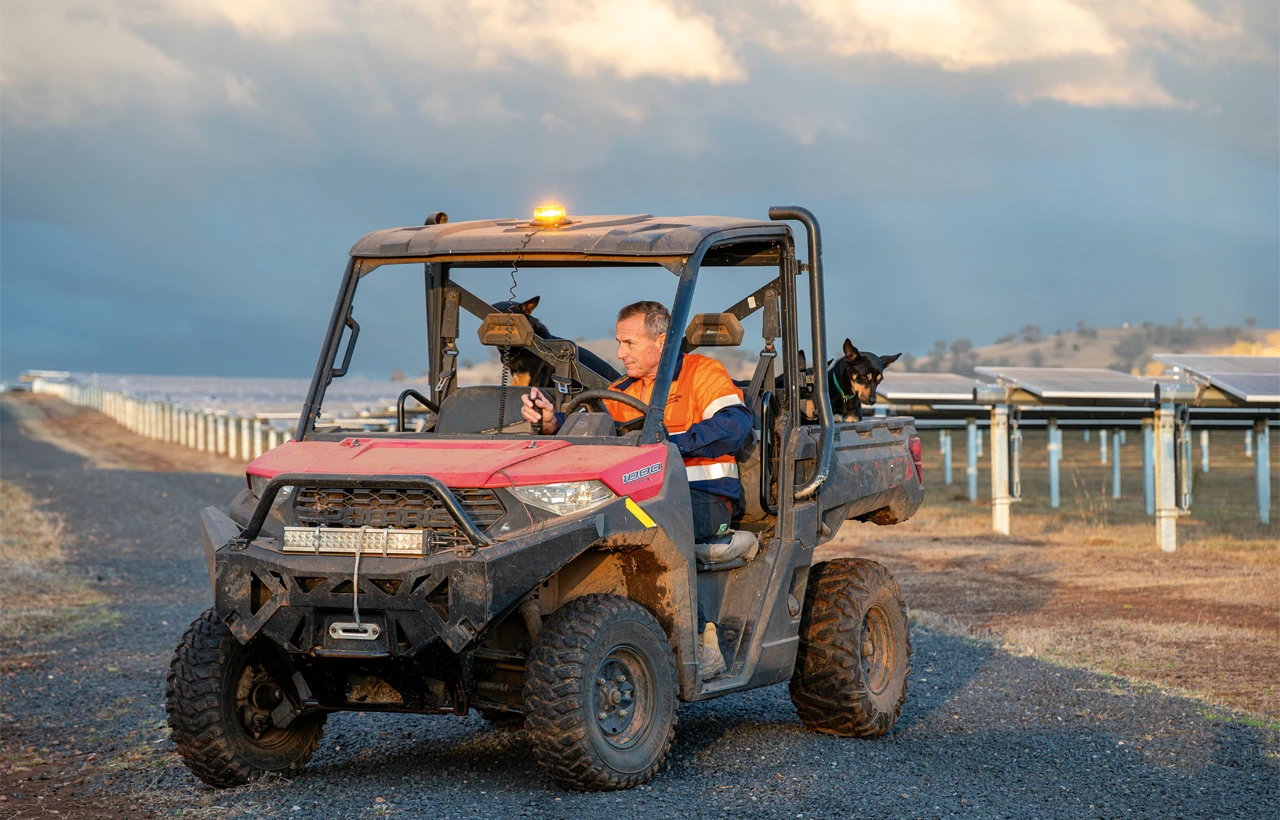
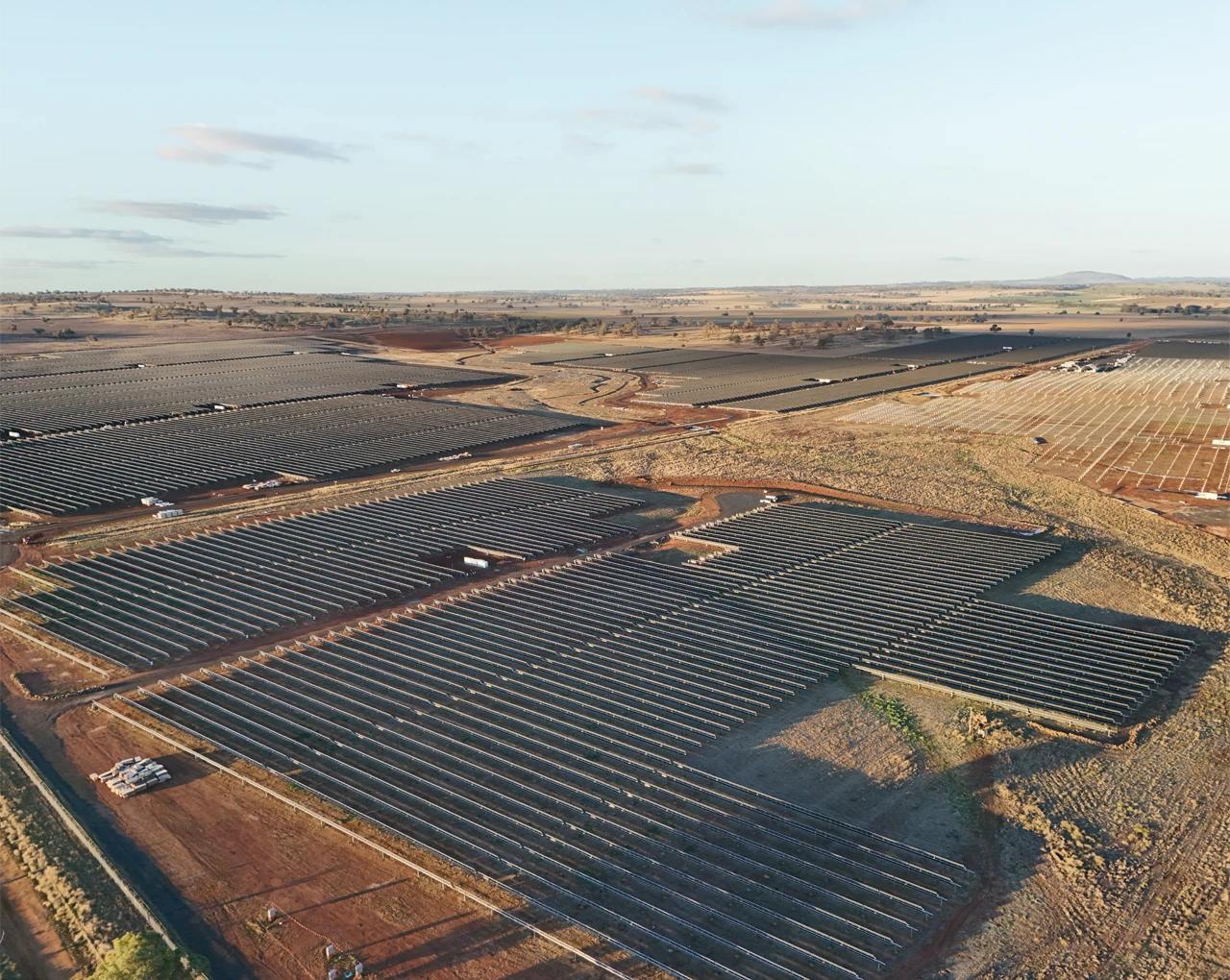
Clouds are a thick soup in the late-afternoon sky and there’s a distinct chill in the air at the vast Wellington Solar Hub in Central West NSW. Put a drone up here and the 1.7 million solar panels seemingly stretch almost to the horizon.
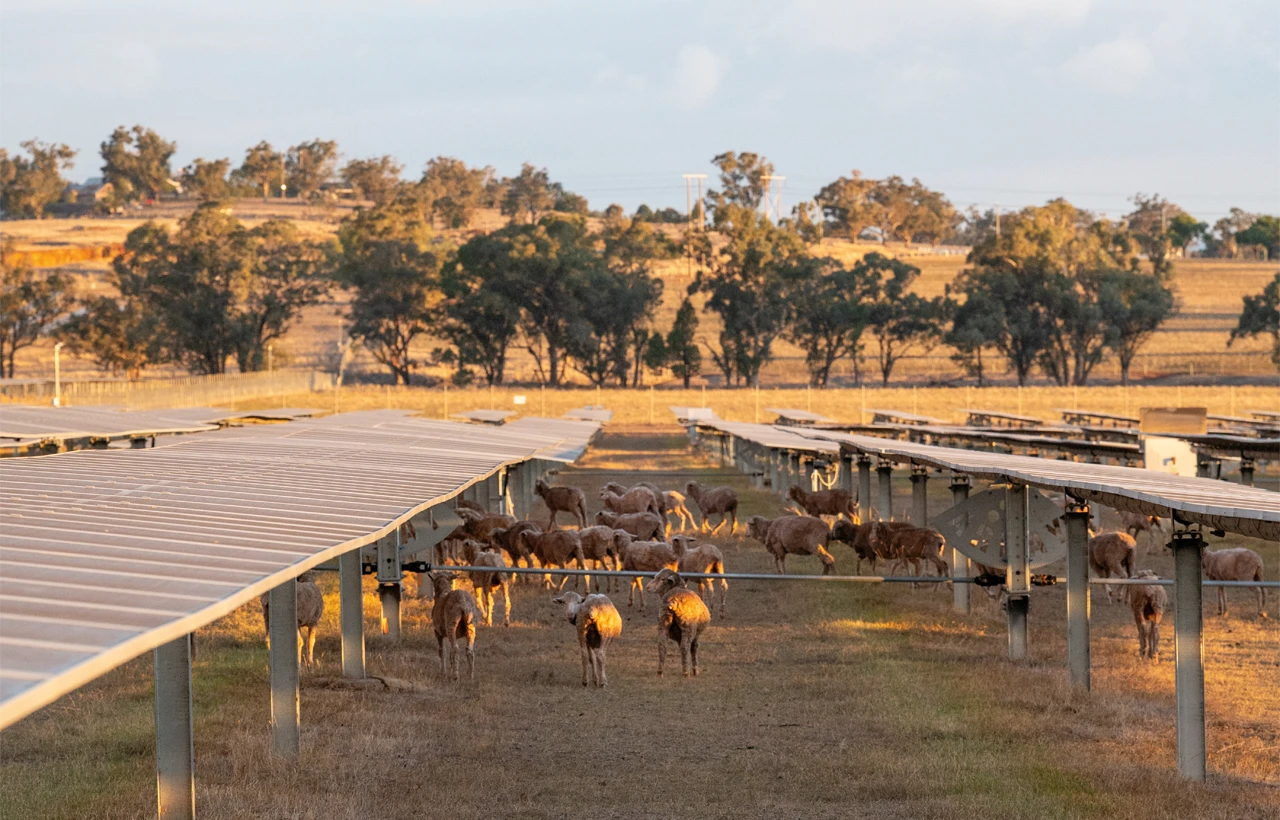
Producing some 1,300 gigawatt hours of power each year, this hub, bought by Aula Energy this year, is one of the biggest solar power facilities in the country. But, driving between the rows in his side-by-side with his kelpies, grazier Tony Inder is interested in a different sort of production. Pointing at the stripe of green pick under each row – a result of water collecting on the panels and dripping off in a consistent line – Tony is excited by the 15% extra wool production he’s getting from thousands of his Merinos roaming beneath.
“You can see it’s dry as dry outside the solar farm, but we still have the green feed here,” he says. “All your 5–10mm rainfalls really help under the panels, but outside the solar farm they do almost nothing. In summer we’ll get more feed in here, but in winter we probably get less because of the shade under the panels. But you gain more in summer than you lose in winter.”
Tony was growing wool on the adjacent property when the first Wellington solar farm was built from 2020. He began grazing sheep in the solar farm, ostensibly to “keep the grass down” and prevent mowing up to six times year, and then sold his own place to the power development company, which expanded the solar hub. Tony now grazes up to 6,000 head beneath all the panels. “I sold to a solar farm, got rid of all my debts and now I’m running more sheep than before and I’m really happy with the wool,” he says.
It sounds like the perfect blend of agriculture and renewable energy. But Wellington is positioned in NSW’s first and most developed Renewable Energy Zone (REZ), and, as more and more power projects come to fruition, community tensions are high while land use and vistas change dramatically. Now with more than four times the number of proposed renewable power projects than was first discussed, this REZ is like a pressure cooker with all the ingredients happening across Australia thrown together– partisan politics, community fears, consultation fatigue, misinformation and lack of trust in power development companies perceived to only be interested in making money. Because he’s happy to talk publicly about the benefits he’s found grazing sheep under solar panels, Tony himself has been branded a liar and worse. “All the stories I’ve heard about solar grazing and how bad it is – no-one’s looked at it,” he says. “They’ve already made up their minds that I’m lying.” Tony says he’s still great friends with all his neighbours, and there’s only a couple of things he’d change. Firstly, there’s no internal fencing in the Solar Hub, so the sheep are run in huge mobs, making them difficult to manage. It means he can’t lamb them under the panels or do rotational grazing to keep pressure on the weeds. Secondly, he’d actually like to sow grass or fodder between the rows of panels. “I maintain the grass, so they don’t have to mow it,” he says. (Mowing still occasionally needs to be done a couple of times a year.) “They don’t want grass, so, it would be a tricky discussion with them to say, ‘I can do a better job for you if you let me grow more grass’, but there’s no reason why I couldn’t sow pasture in there.
“If we want renewables to be part of the bush, then let’s use it for the bush.”
There’s no doubt the pace of change is catching communities, policy makers and landholders off guard. Whether you see Australia’s renewable energy roll-out as exciting, awful or just necessary as the world de-carbonises, it is happening on a grand scale. Late last year, Tony Mahar, former CEO of the National Farmers’ Federation and current Australian Energy Infrastructure Commissioner wrote, “This energy transition is big, complex, and it’s a fast-moving train that has departed the station. But if communities continue to be left on the platform as the train disappears down the track, we will leave a disastrous trail of lost trust, unfairness, and missed economic opportunity alongside those left behind … Too many rural and regional communities feel like this transition is being done to them, not with them.”
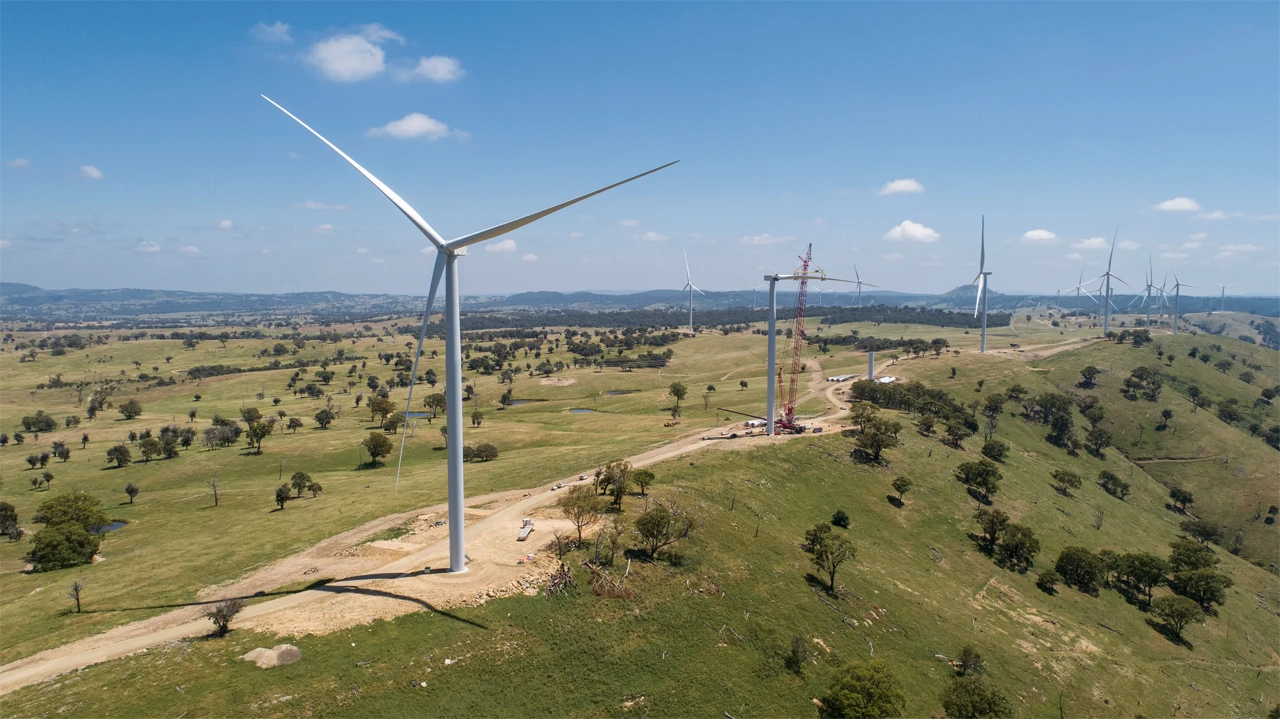
There are some 4,200 operational wind turbines in Australia and more than 100 large-scale solar farms, with tens of billions of dollars of large-scale renewable energy projects under construction, yet some analyses show we are already far behind the Federal Government’s commitment for 82% of the National Electricity Market (NEM) to come from renewable energy by 2030. In the first three months of this year, across the NEM (which supplies the eastern states and SA), renewable energy provided 46.5% of all generation – a record for the first three months of the year, but a fair way short of the target just four years away, despite Australia having the biggest uptake of rooftop solar panels in the world. (Over 40% of Australian households now have solar panels and rural areas generally have the most rooftop solar. For example, in NSW, nine out of the top 10 solar electorates are in rural and regional areas.)
Electricity demand in that period also set a new record, partly because of hot conditions, but also because of the 18% rise in power-hungry data centres in NSW – a challenge that will only increase. A 233% rise in grid-scale batteries has evened out the demand, meaning wholesale prices are down 12%.
“The shift to clean energy is really and truly on the way, and it’s got a real head of steam,” says Andrew Bray, national director of RE-Alliance, a non-profit organisation helping regional communities get the most out of the shift to clean energy. “SA has something like 70% renewables right now and it has a target of 100% net renewable energy by next year and it’ll probably meet it. Sometimes it’s making 150% of its energy requirements with renewables and exporting to the grid. SA is world-leading in that way. It has international companies coming to them to find out how they’re doing it. It’s not causing blackouts or brownouts, but it’s happening under the radar because it’s happening so successfully.”
One major challenge is the transmission lines needed to transport the energy. Because of the cost and environmental consequences of bulldozing new transmission line corridors across the countryside, state governments have generally decided to focus energy production in key areas: the REZs. NSW and Victoria have declared five land-based REZs each, SA has two, and there are 12 proposed REZs in Queensland. At the moment, major transmission lines being completed include CopperString, a $13.6 billion, 840km high-voltage transmission line from Townsville to Mount Isa, and Project EnergyConnect, 900km of lines linking SA with NSW, which is constructed and in testing. In many areas the routes for such lines go around, over and through agricultural land and private property, with landholders given little say.
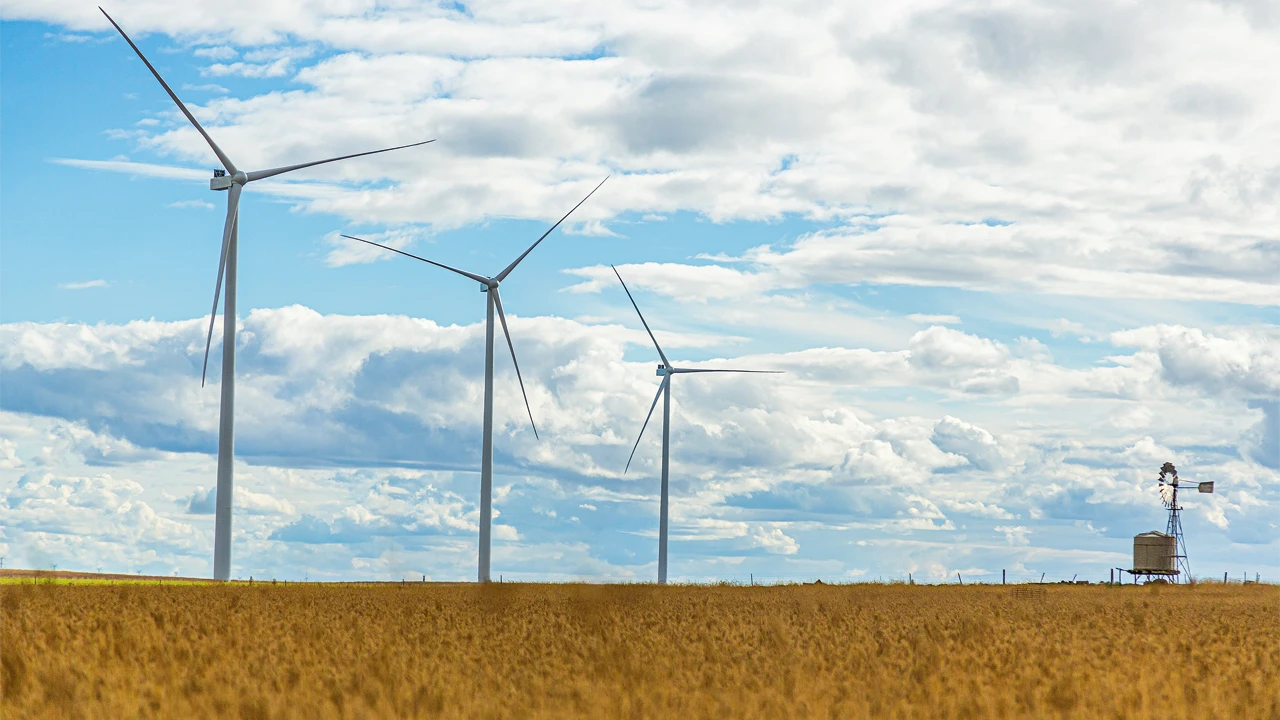
Huge new renewable energy projects are connecting to these lines, from Australia’s biggest remote area solar farm, the 88MW Dugald River Solar Farm at Mount Isa, to the three-stage Golden Plains Wind Farm at Rokewood, Vic. It has some of the biggest wind turbines in Australia, with blade tip heights of 230m and rotor diameters of 162m. Stage one saw the construction of 122 turbines, another 93 are currently being built in stage two, and the proposed stage three has an extra 129 turbines. Some call these engineering marvels ‘majestic’ and ‘ballerinas of the sky’. Others describe them as a blight on the landscape.
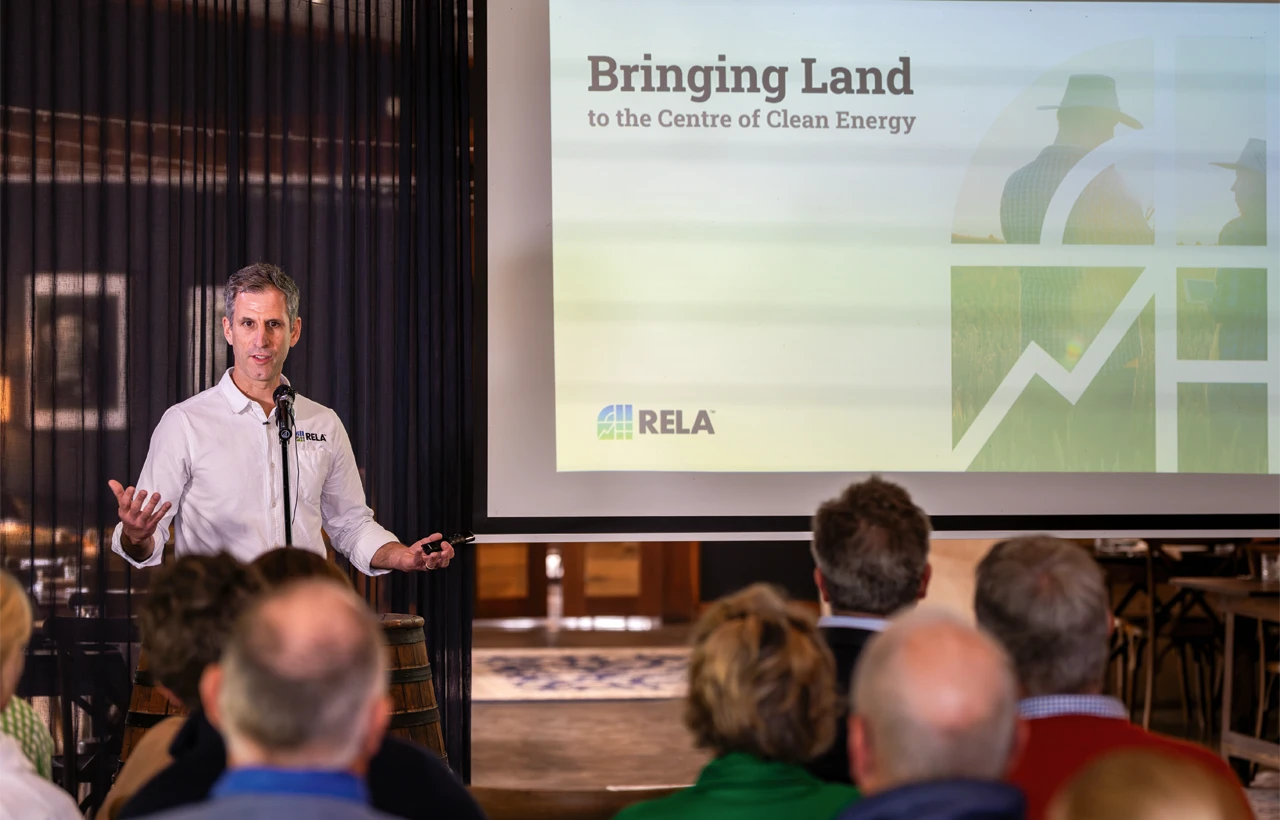
“There’s probably a feeling of being really overwhelmed when you look at a map and you see all the different potential projects,” says Michael Katz, CEO of RELA. “People think, oh, that’s all going to get built. But in reality, a fraction of those will get built.”
RELA is working with hundreds of landholders to assess the value of the assets on their land, such as its power-producing potential, and then helping them find the right energy partner to work with, if they’d like to go down that path. “It just gives landowners from the beginning a sense of an understanding of the potential viability. Are they wasting their time? Is it completely unviable? Is it marginal? Is it a cracking site?” Michael says.
“We get people say all the time, ‘What’s the price in Queensland for wind?’ And the answer is project specific. It very much depends on the economic model of that project, which is about the resource, the wind or the solar. It’s about proximity to the grid, the grid capacity and efficiency, construction cost efficiency, the topography of the land.”
Michael says many rural communities genuinely feel they haven’t had much of a say about renewable energy projects in their area, or how many people can benefit. But he says that’s changing. “It’s always exciting when an industry can start to mature and address some of the challenges of the past and get things better for all stakeholders going forward ... And part of that, I think, is we’ve seen the froth come out of the industry and a bit of a consolidation.
“The opportunity right now is for Australia to really leverage its resources, and when I say resources, I include sun and wind, to become a renewable energy superpower. When we’re able to generate that electricity on shore, we remove what is right now such a heavy reliance on oil imports. And that is not just about price of electricity, that’s about fundamental national security.”
LOTS OF POWER
The major companies with renewable energy infrastructure in Australia
| Company | Ownership | Infrastructure Examples | Details |
|---|---|---|---|
| Acciona Energia | Spanish | Aldoga Solar Farm, MacIntyre Wind Farm, Mt Gellibrand Wind Farm, Waubra Wind Farm | With a large footprint of wind farms and solar arrays, Acciona Energia is also designing and constructing the 500kV HumeLink East transmission lines. |
| ACEN Australia | Filipino | New England Solar and Battery Energy Storage System, Stubbo Solar | The Australian platform of the Ayala Group, rapidly expanding with another 13 solar, wind and battery storage projects under construction. |
| AGL Energy | Australian | Hydroelectric Power Station, Kiewa Scheme, Copeton Power Station | One of Australia’s largest energy retailers and generators, transitioning its generation portfolio from fossil fuels to hydro, wind, solar and battery storage. |
| ENGIE Australia | French | Hazelwood Battery, Willogoleche Wind Farm, The Plains Renewable Energy Park | A major energy generator and retailer with large projects proposed and under development. |
| FRV | Australian | Walla Walla Solar Farm, Dalby Hybrid Facility, Gnarwarre Battery Energy Storage System | Owns multiple smaller solar farms and is developing large-scale battery infrastructure. |
| Goldwind Australia | Chinese | Cattle Hill Wind Farm, Moorabool Wind Farm, Stockyard Hill Wind Farm | Wholly owned by Xinjiang Goldwind Science & Technology, one of the world’s largest wind turbine manufacturers and renewable energy companies. |
| Iberdrola Australia | Spanish | Ararat Wind Farm, Broadsound Solar and Battery | Bought Infigen Energy in 2020. A major renewables developer with a portfolio of onshore wind and utility-scale solar farms. |
| Neoen Australia | French | Hornsdale Power Reserve, Western Downs Green Power Hub, Culcairn Solar Farm | Specialises in large-scale wind, solar and energy storage assets. |
| Origin Energy | Mixed ownership (largest shareholder Australian) | Yanco Delta Wind Farm, Carisbrook Solar Farm, Eraring Battery | A major power utility heavily invested in renewable projects, solar generation and large-scale battery storage. |
| Snowy Hydro | Australian Government | Snowy Mountains Hydro-electric Scheme, Snowy 2.0 | Government-owned corporation operating the iconic Snowy Mountains Scheme and expanding into wind and solar assets. |
| Squadron Energy | Australian | Bango Wind Farm, Clarke Creek Wind Farm, Uungula Wind Farm, Murra Warra Wind Farm | Approximately 2GW of renewable energy projects in operation and under construction. Backed by Tattarang (owners of R.M.Williams). |
| Star of the South | Mixed (majority owner Danish) | No current infrastructure | The most advanced proposal for offshore wind power generation off Gippsland. |
| TagEnergy | Mixed European | Golden Plains Wind Farm | Portfolio of more than 6GW of renewable energy projects across Europe and Australia. |
| Tilt Renewables | 99.9% owned by QIC, a Queensland Government investment firm | Coopers Gap Wind Farm, Nyngan Solar Plant, Latrobe Valley Battery Energy Storage System | Developer and manager of renewable energy assets across Australia and New Zealand. |
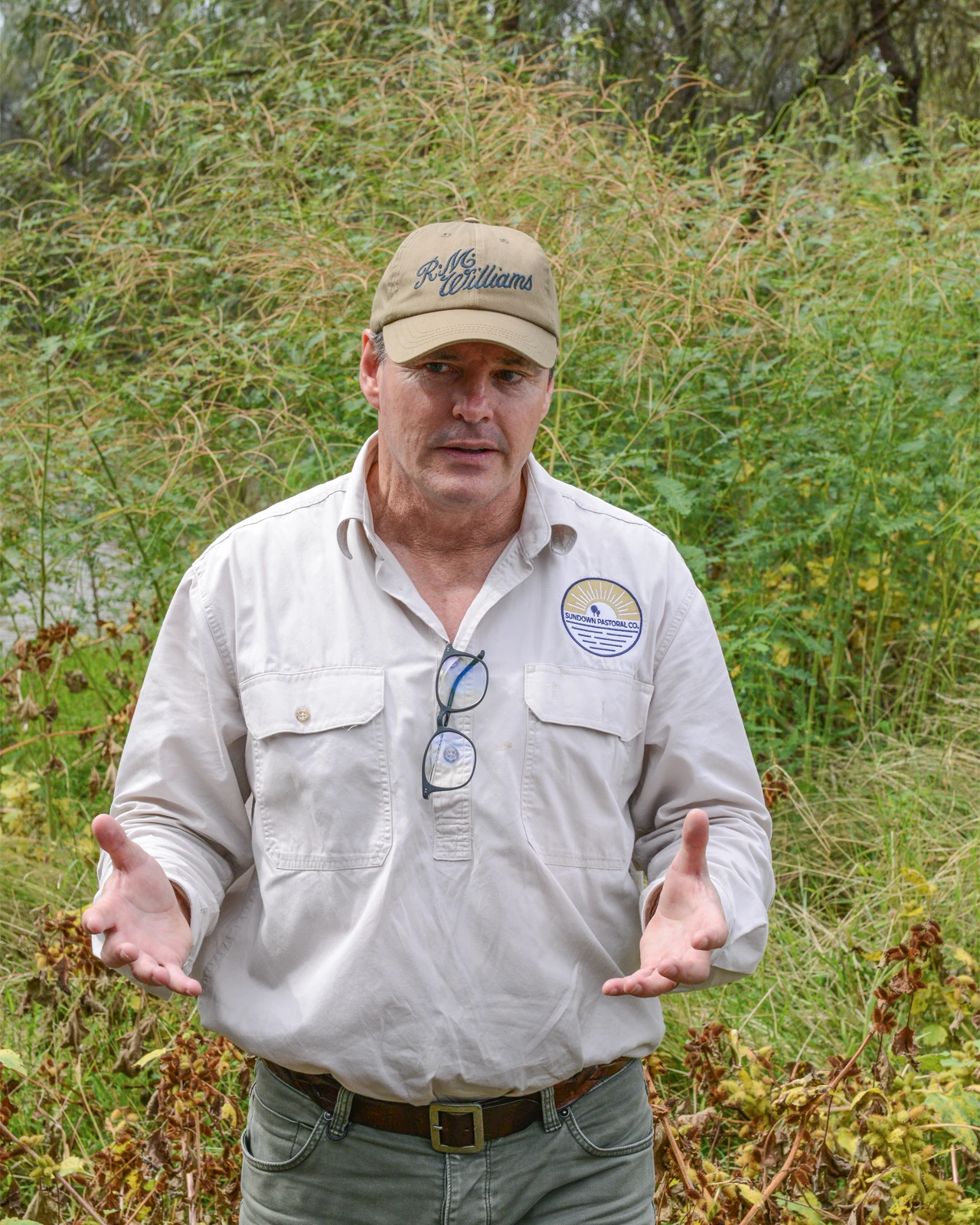
Imagine an agricultural system in which a farmer has the ability to manufacture and control costs of their biggest inputs and their biggest sources of carbon. That’s what David Statham, CEO of Sundown Pastoral in Moree, NSW, is aiming to achieve in the next year or so, with a revolutionary project that could see him become self-sufficient in fertiliser and fuel. “I don’t like getting dictated to by a power company,” he says.
With his wife Danielle, David is the cotton grower behind the Good Earth Cotton brand and co-owner of Wathagar Ginning. He speaks quickly and excitedly, bouncing from one incredible, seemingly futuristic project to the next – from hydrogen-powered machinery to a scanning device that allows anyone to see if a garment is made with Good Earth Cotton. His latest idea has attracted $45 million in government funding because of its potential to change the game.
“The original reason was 3–4 years ago a fella from Boland Petroleum, the largest distributor of fuel in rural NSW, who’s been supplying me fuel for 40 years, built a solar farm and was selling power to the grid,” David says. “I went to see it and I thought, this is really cool. He was getting very good returns because of the battery he’d installed, so he could sell power at the best times.” The wholesale spot electricity price in the NEM can fluctuate from a penalty of –$1000 a megawatt hour to $14,500.
So, using industrial land at the cotton gin, David built a 9MW solar farm and 10MW battery, which either supplied power to the gin, or sold it to the grid, depending on price changes every five minutes. “It was extremely attractive financially.”
Next, he went to New Zealand to see Hiringa Energy’s hydrogen refuelling stations. Using solar power to split water into oxygen and hydrogen, it then uses the hydrogen to power thousands of trucks. “They can take the manifold out of a diesel engine and replace it with a hybrid model that displaces up to 50% of diesel. It costs $10,000–$15,000 a motor to convert to 50% hydrogen.”
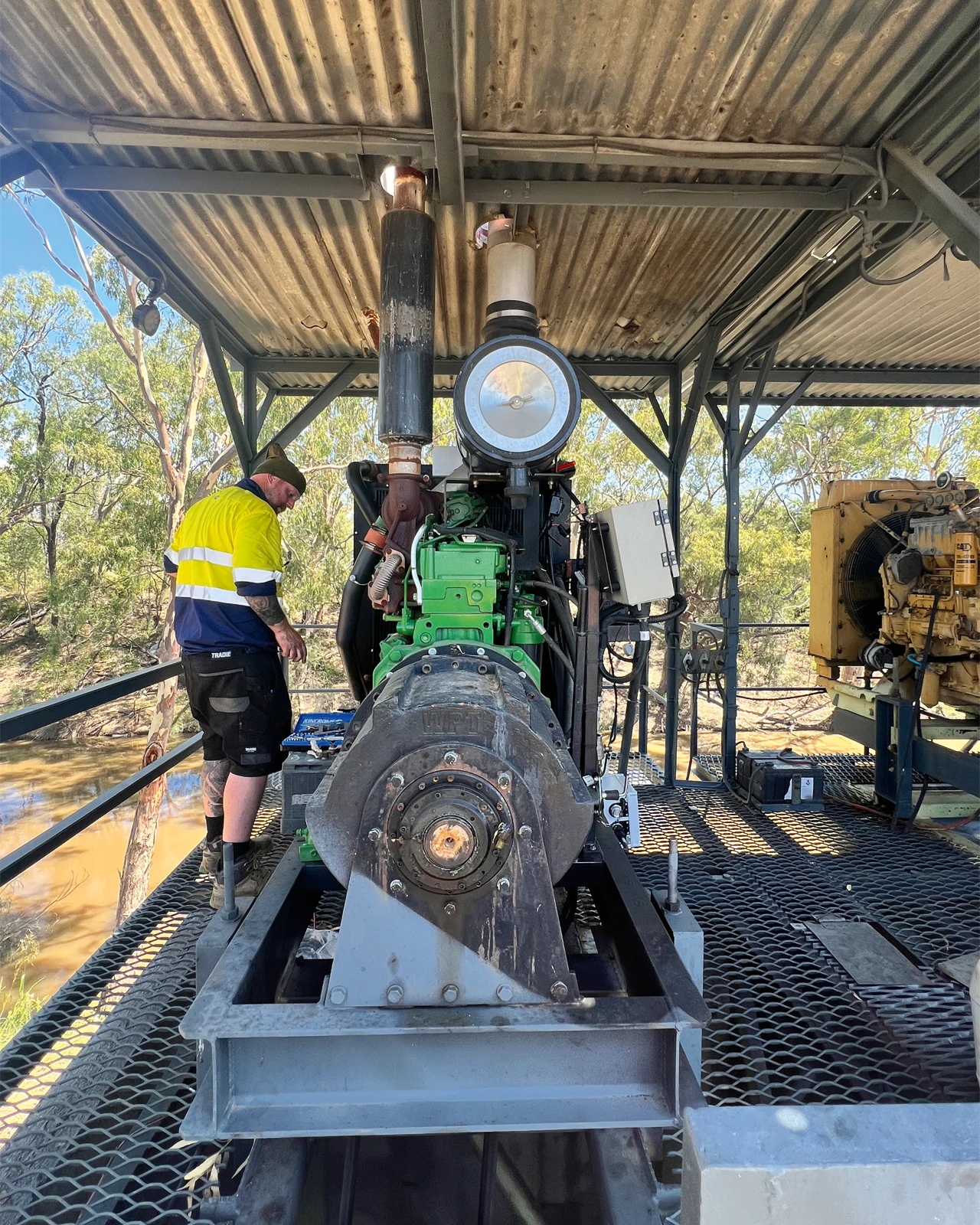
So, Sundown Pastoral is converting pumps and motors around the farm to use hydrogen. On top of this, he’s also testing electric excavators and electric loaders, which could potentially have swap-and-go batteries on the farm. “They’re on the fifth generation of battery technology; we’re testing them and giving feedback on their usability in Australian conditions.”
The solar farm has had a 27MW expansion with 50MW hours of battery storage, ready for the green hydrogen plant. The kicker, however, is that 82% of the hydrogen will be mixed with nitrogen plucked out of the air, creating 15 tonnes a day of hydrogen ammonia, a fertiliser that Sundown Pastoral can use in producing its 75,000–80,000 bales of cotton a year, and also sell to others. “We will use 1,700–1,800 tonne and I’ll redistribute the rest to anyone. It won’t be difficult to sell it to farmers. I could sell the lot to one neighbour. That’s what makes it bankable.”
David talks about the gin being like a magnet attracting the customers of the future. As trucks deliver cotton at harvest time, they could fuel up with electricity or hydrogen and leave with a load of fertiliser.
The whole operation – hydrogen and fertiliser production – should be running by around March 2027. Considered a pilot project in green hydrogen and ammonia, it’s being watched carefully by interested parties around the world who would be keen to build scaled-up versions.
“I did this for one reason – it was when a fella called Vladimir Putin invaded Ukraine and fuel and fertiliser costs doubled,” David says. “Now my two biggest inputs, I’ve got a fixed price for the next 20 years.”
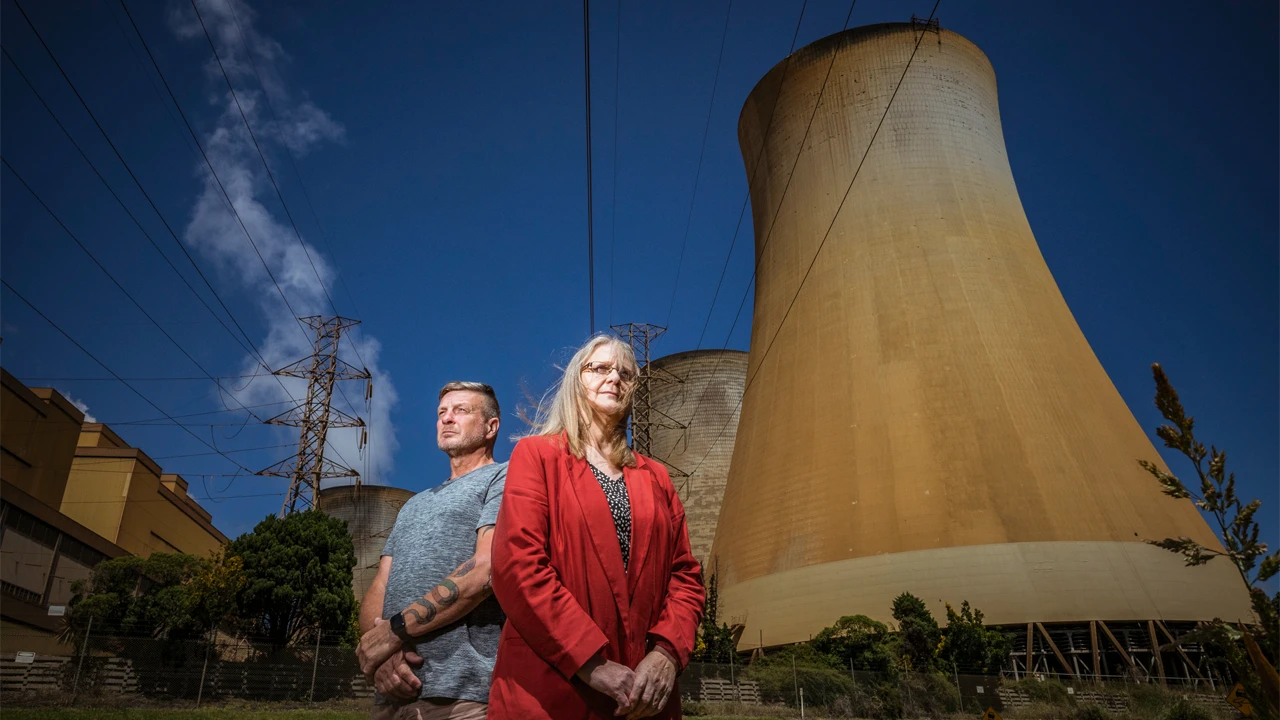
In terms of power production, Tony Wolfe has probably seen more change in his area than most Australians. From the age of 15, he spent his whole working life in Gippsland’s coal-fired power stations that are coming to the end of their life and being replaced with renewable energy production. Parts of the Gippsland community are reeling from the changes.
“I started as an apprentice electrician at Hazelwood power station and finished as an operator at Loy Yang B. If you picture Homer Simpson, that was me,” he says. “When I started, I was one of 35 electricians taken on every six months. It was the goal of anyone in the Latrobe Valley to get a job with the State Electricity Commission (SEC) – you had a job for life, and it was the social hub of the region. It was the place to be.”
Now retired, Tony says that when the SEC was privatised in the 1990s, research and development into more efficient and cleaner coal technologies stopped. By 2005, Hazelwood was declared one of the most polluting power stations in the world, and very little was done to update any of the power stations. Faster than expected, Hazelwood closed in 2017, and others, such as Yallourn, are due to close in the next few years. “Yallourn should have been shut 20 years ago – it’s getting more inefficient, more unreliable,” Tony says. “But we have nothing yet to fully replace those power stations. It looks like there will be a gap between coal finishing and renewable uptake. We’d be absolutely stuffed without the uptake of rooftop solar.”
Because of their ready access to transmission lines, some of the old power station sites are being used for renewable power. At Hazelwood, a 150MW battery has been installed, and the 33 turbines of the Delburn Wind Farm, scheduled for completion in 2028, overlook the site.
Tony says renewables are without doubt a safer and cleaner way to make electricity. “We didn’t know that when we were building the coal-fired plants,” he says. “There is a 100-year history of coal in this area and people are really proud of that, and to talk about closing that down, there’s a bit of a grieving process. We’re not going to build any more coal-fired power stations – no-one will invest in it – but let’s not forget the contribution it’s made to society, and we need to support the people who are still in the industry. People who are still working there are probably still pro-coal – they’re concerned that it’s changed. As humans we’re reluctant to change. That’s our first emotion, to push back on change, but if you look at wind and solar, there’s no waste and no pollution – once you get it going, the fuel source is free.” In response to the changes, TAFE Gippsland opened a Clean Energy Centre early this year, to deliver training in renewable technologies including solar and batteries.
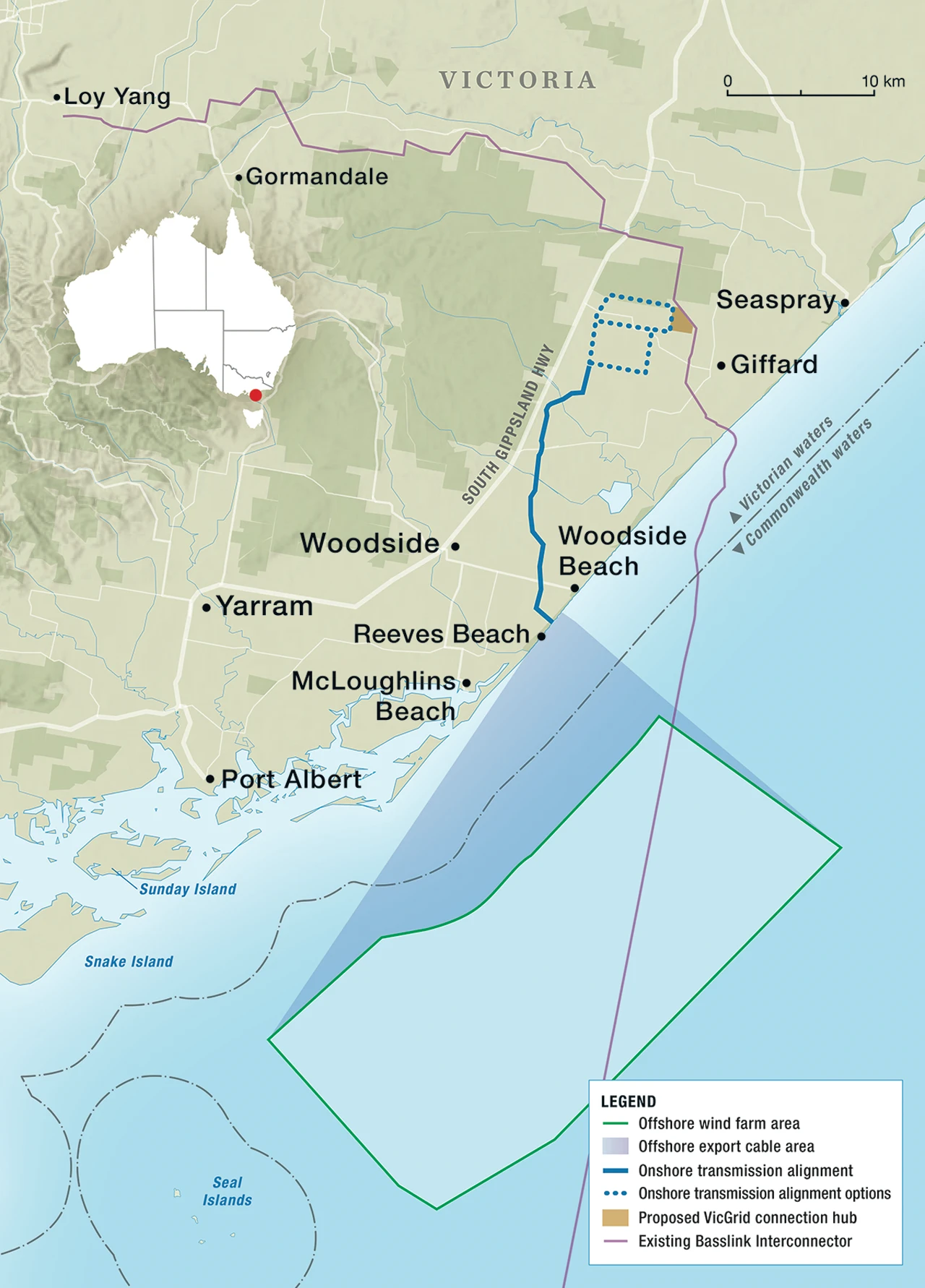
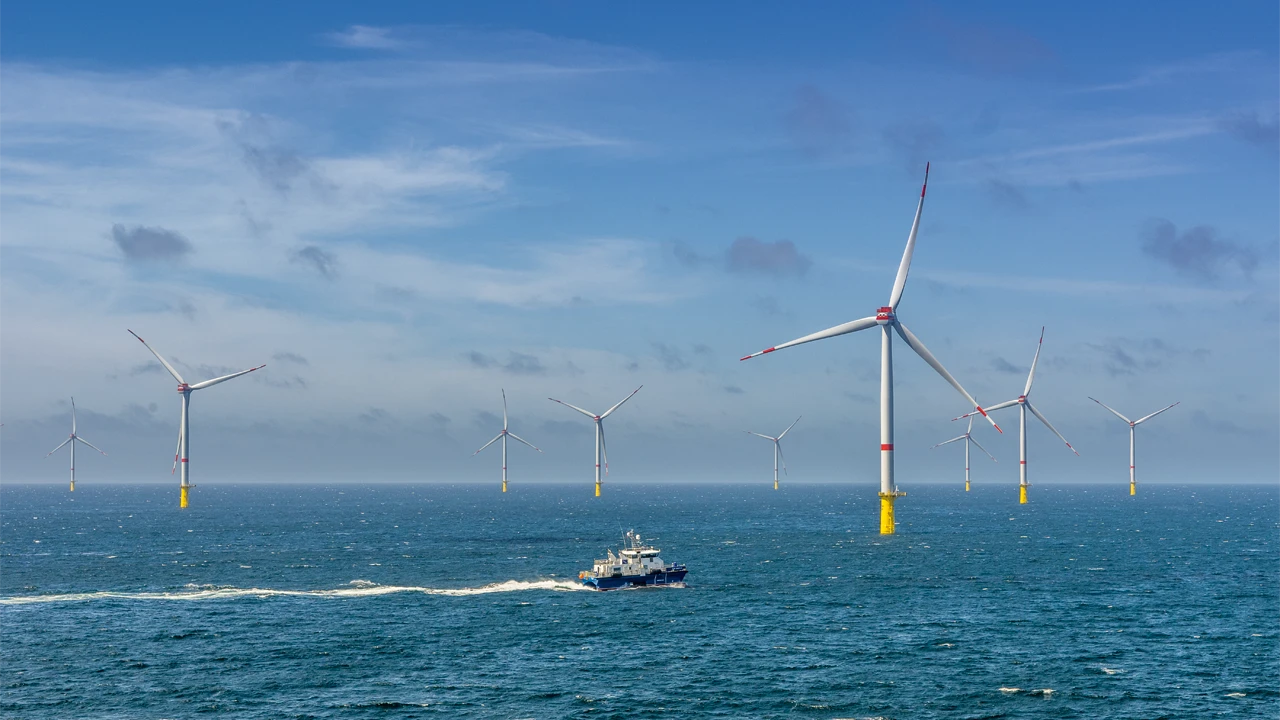
Tony says that because the region has embraced big industry for so long, most people are in favour of the Gippsland offshore wind zone, which aims to power 1.5 million homes with offshore wind by 2032. A 15,000sq km area 10–50km off the coast from Lakes Entrance to Wilsons Promontory, the zone currently has nine licences, with power development companies actively pursuing the opportunity. The most advanced of these is Star of the South, which is proposing to start construction in 2029 of up to 147 huge turbines, towering up to 350m above the water’s surface.
“Our organisation develops projects globally and the Gippsland area is one of the best zones we have in our portfolio that we are developing,” CEO Charles Rattray says. The area has consistent 10m/second wind, and only 40m depth. “On a world scale, that is an incredible resource.”
Star of the South’s proposal places each turbine about 1km apart. They would be connected to a substation in the ocean, and the power cable would come ashore and travel about 30km underground, before connecting to the grid. “Our nearest turbine is about 11km from the nearest house and for all intents and purposes, it would be very hard to see.”
Charles says there are over 13,000 wind turbines globally in the ocean, with concentrations off Scotland and Taiwan, and the technology has been around for more than 30 years. “They usually generate into the evenings, when onshore technologies such as solar tend to be phasing out.”
Representing a new renewable energy industry for Australia, Charles says Star of the South has already adjusted its proposal, based on feedback from scientists and the community, including raising the height of the blades from 25m to 35m off the water, to help low-flying seabirds. Also, having learnt from operations in the Northern Hemisphere, there are strategies to reduce impact on whales and other marine life, such as producing a large bubble curtain during construction to reduce sound underwater.
“We’ve had incredible support from the Gippsland community – something like 70% are either neutral or positive,” he says. “We have a small but important number of the community who have challenges with our proposals. One of the important things in this transition is that we listen to groups, whether they’re for or against what we do.”
Surprisingly, a 2025 study of 2,000 people living in REZs from Gladstone, Qld, to Gippsland, Vic, by data and strategy company 89 Degrees East showed support for renewable energy in REZs is above 60%, with opposition to local projects averaging 17%. Yet, perhaps because of negative media coverage, the perception of support is different – only 37% of people in those regions believe there is majority support for clean energy in their region. The same research showed nuclear, coal-fired and gas power plants are the most opposed large-scale energy infrastructure in those regions and solar farms the most supported.
In March this year, the Senate Select Committee Inquiry into Information Integrity on Climate Change and Energy declared that mis- and disinformation about renewables is causing real harm to regional communities. But that certainly doesn’t mean local action groups, citizens and landholders don’t have real concerns about new renewable infrastructure, including destruction of wildlife corridors, First Nations sites, increased fire risk, loss of agricultural land, the unfair burden on rural Australia compared to cities, and the visual impact affecting lifestyles and mental health.
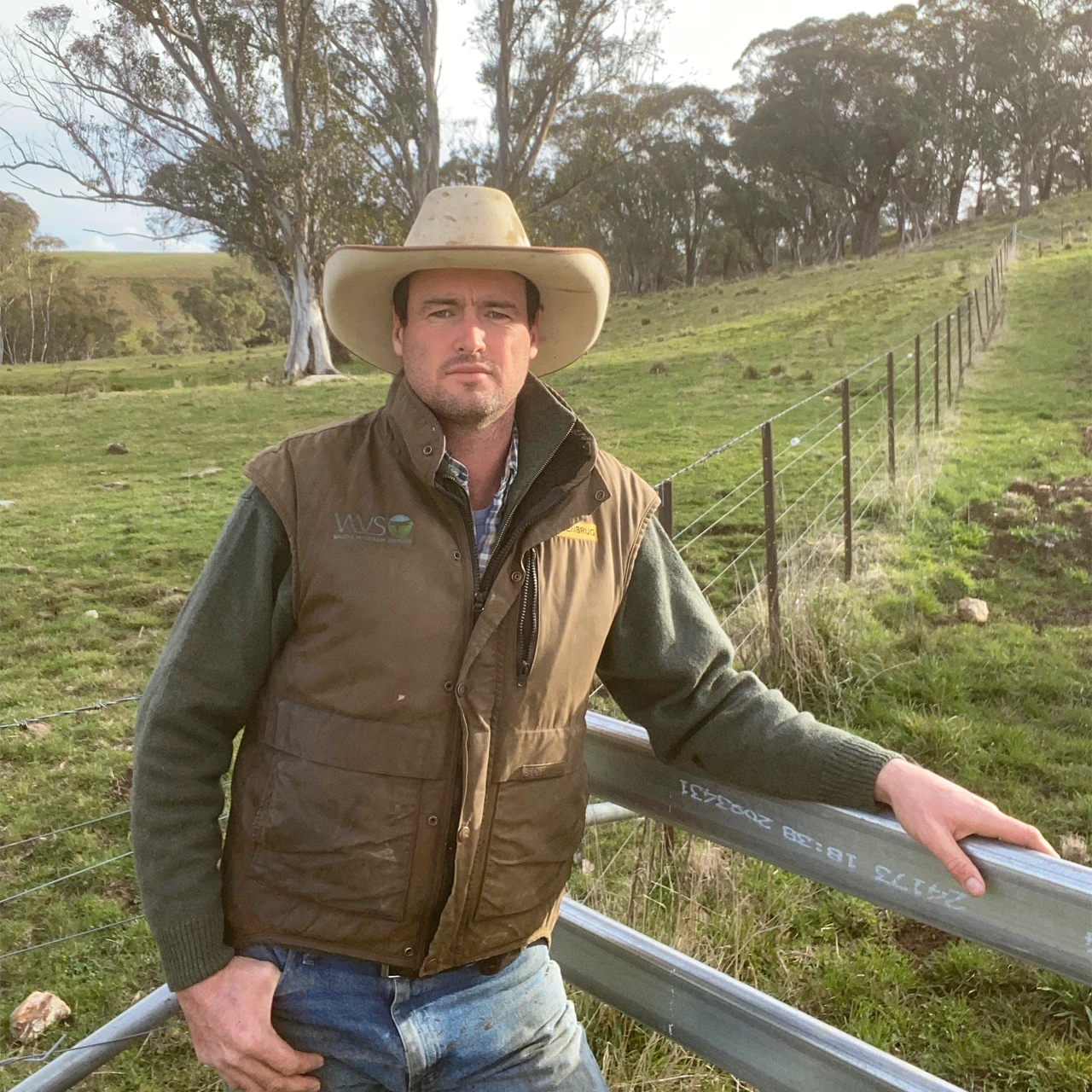
In New England, NSW, the Walcha High Country Guardians are furious at the huge transmission lines slicing through high-value grazing country. “We were just told these 550kV lines would be coming through our property and there was nothing we could do about it,” says farmer Nathaniel Brazel, a Guardians member. He says the Wagyu grazing country can fetch as much as $30,000 per hectare. “They’re coming across prime agricultural land – some of the highest value grazing country in NSW. It’s not the right path for it to be going and it’s not even required because the New England REZ is not going to get to the size needed for these huge lines. It’s an absolute mess and it’s really been done poorly.
“The rosy picture for the REZ was renewables scattered about, lots of money coming to the community, it’s all harmonious. But that’s not the truth on the ground.”
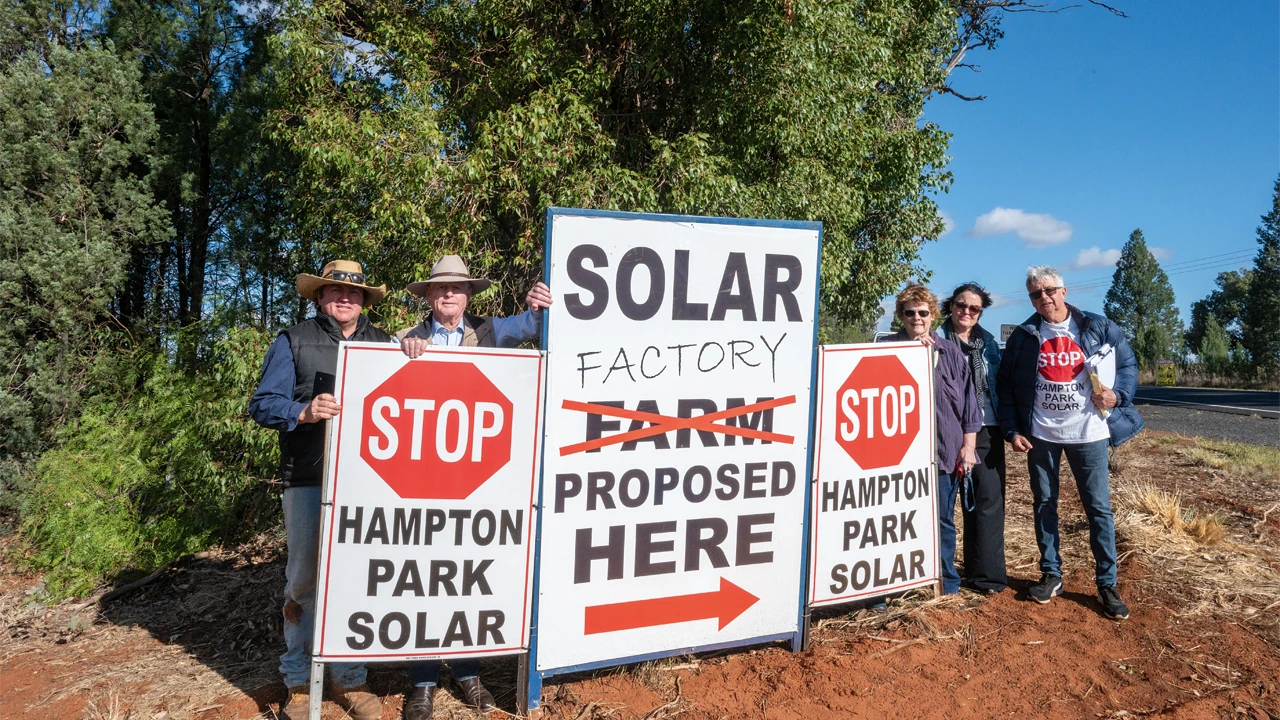
South-east of Dubbo, members of Stop Hampton Park Solar and Energy Storage System are objecting to a proposed 213ha solar farm with 192,000 panels. “We’re not the sort of people who normally protest,” says rural property sales agent Peter Dwyer. “But there are 200 houses within 4km of this bloody project. There’s a fair bit of conflict in this area – they seem to be saturating this area with renewable energy. They’re solar factories, not farms, and they’re creating this black lake from Wellington to Dubbo – you’ll just have one after the other, after the other.”
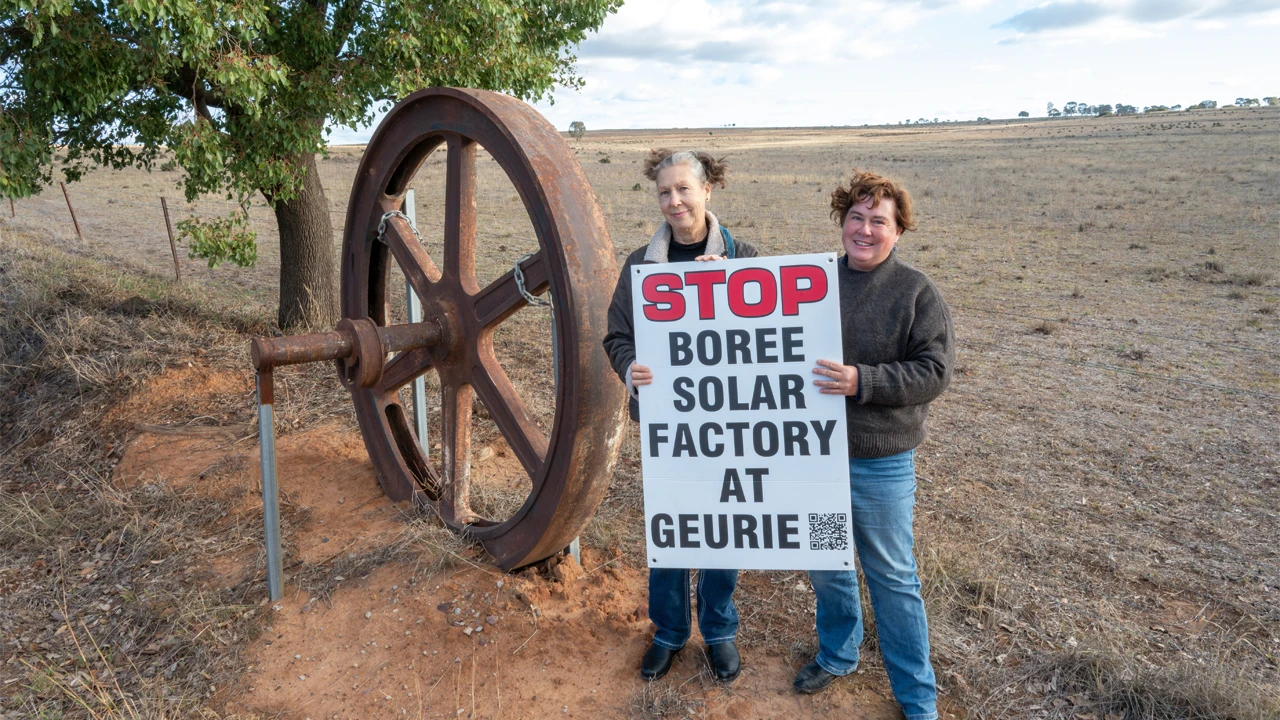
One common concern is the impact on real estate prices. The Clean Energy Council says international and domestic research consistently shows land near renewable energy projects initially drops in value, but then recovers and can be worth more. Peter says that’s not the case, because fewer buyers are interested. “I did a study of six properties adjoining the Wellington North Solar farm [completed at the end of 2024]. Five of them have dropped 4.5%–20% in value since the project was completed. They’re not my numbers, that’s the Valuer-General’s assessment.”
Member of the Stop Hampton group, Michael Edwards, says the emotional toll on residents who will have to look at the huge solar plant is very high. “We’re just tired – really tired. We’re carrying the load – we’ve got to look at this all our lives. We’re not against renewables, but in the right locations.”
Dubbo City Council has also opposed the Hampton project, with 10 out of 11 councillors writing to the state government asking for it to be abandoned. In a statement, development company ARES says, pending approval, it is anticipated to be producing energy by 2028, although it is “aware that some near neighbours have concerns”. “Shortly after announcing the Project and through discussions with some neighbours of the Project, we put in a 150m setback from a Project boundary to minimise the potential impacts.”
Ten minutes’ drive down the Mitchell Highway, Belinda Atlee and Mary Noglik are equally distraught about the proposed Boree Solar Farm. Between small-scale farming and lifestyle blocks, Venn Energy is hoping to start building next year a 1,321ha solar farm, with up to 600,000 solar panels. There are around 15 landholders affected, with four signing up and selling land to the project.
“The wanton destruction of environments and the hypocrisy of calling it green and clean are enough to spin people’s lives,” says Mary, who runs SheepMasters and a handful of cattle on her block. “How many lives will be destroyed? This is a totally inappropriate site. What you’re doing is taking really good agricultural land and turning it into industrial land. Financially we are already impacted, all of us, because we can’t sell if we want to get out of this mess.”
Belinda, who has cropping, Merinos and cattle on her 445ha block, says development in the REZ is out of control. “I think we were asleep at the wheel – none of us knew what the REZ was,” she says. “They need to put the foot on the brake, not the accelerator. No-one has asked ‘What’s good in the REZ and what isn’t working in the REZ?’ We’re developing more REZs, but nobody is asking what’s working.”
From the top of the hills of the proposed Geurie solar farm site, you can see the 33 turbines of the Bodangora wind farm, constructed in 2016. On Glen Oak, Simon Barton hosts 10 of the turbines on the 1,850ha his family has farmed for three generations.
Simon says even before he and other neighbours were approached to put turbines on their properties, he was in favour of wind turbines in the region. “When you’re working out in the paddocks all the time you just know it’s windy, and you ask the question, ‘Why aren’t we using this resource?’”
But as he became involved in the project, he found some neighbours and wider community members were actively campaigning against it. “There would have been four other landholders who were approached and they said no. At least two didn’t want to upset the neighbours. There is a lot of scaremongering going around and they just put the wind up anyone. They come up and say, ‘This is going to be the worst thing: you’re not going to be able to sleep, the cows won’t breed, the noise is going to get in the jail and send the prisoners mad.’ It was going to cause erosion, kill all the birds, and if there were any issues they were going to sue us. That was a bit upsetting – some of these neighbours we thought were friends.”
Simon says that in a normal year he gets up to a quarter of his income from the turbines. “Just after the drought it was probably three-quarters of my income. All we were selling was wool. I’m quite happy with what I’ve done, but I don’t want to live in an industrial area either. Did I start the rot by building the first one? I don’t know. The issue at the moment is that we’re being saturated. Because we’re the first REZ in the state, we’re just getting hammered.”
Like many people in rural Australia, Simon feels the bush is being asked to carry an unfair load for the cities. “I’d like to see more uptake of solar in the cities – have all the carparks covered in solar panels, rather than using some of the really productive country around here. We’ve all got to eat and if you’re reducing that, it could come back to bite us in the bum at some stage.”
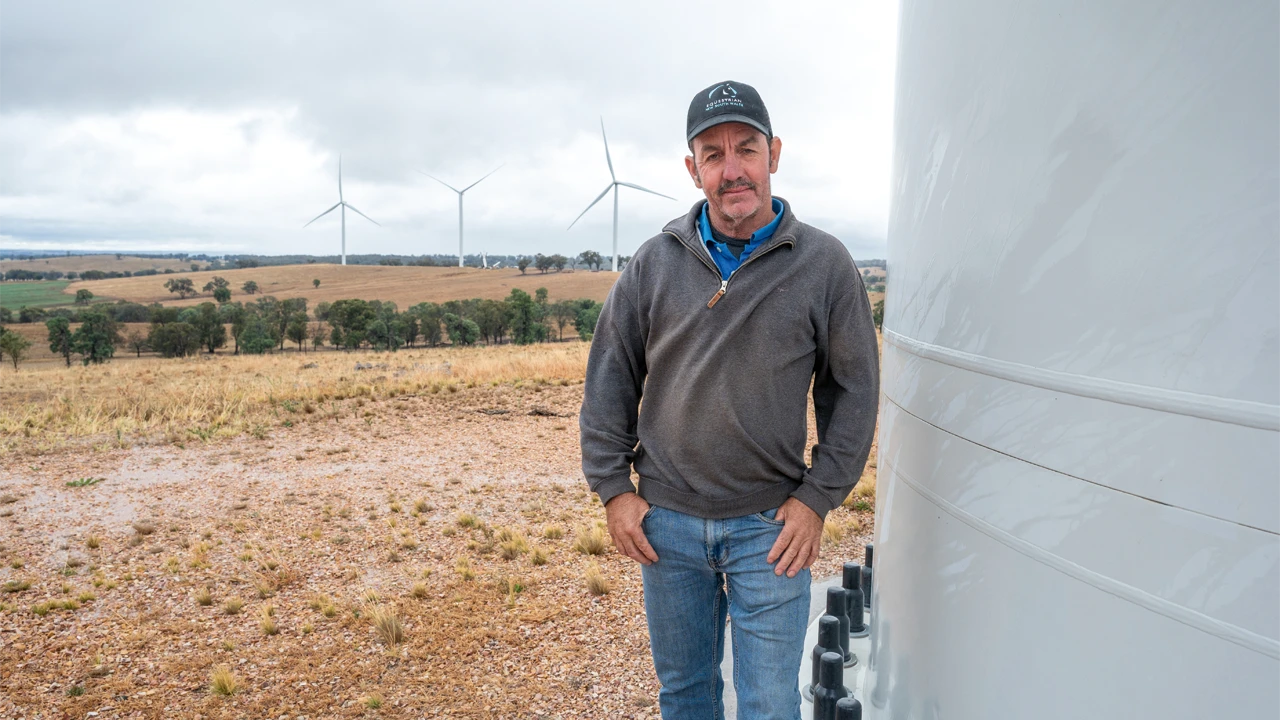
In South Gippsland, sheep and cattle grazier Lindsay Marriott also experienced negativity when he elected to host 12 turbines and a substation on his place for the Bald Hills Wind Farm, which started production in 2014. “The controversy was intense,” he says. “There were pretty serious attempts to totally intimidate you. It was ridiculous the things that were said. They had a meeting to say, ‘You’re not allowed to talk to Lindsay Marriott’. My children were grown up – it would have been very ugly if they were at school … The nastiness has to be called out. It’s done deliberately to get people to hate each other.”
Lindsay says the wind farm has been a godsend, with better access to all parts of the farm through the new road network, increasing productivity. “They all calve and lamb among the turbines,” he says, and pregnancy rates are high on short joining periods. “Renewable energy is transformative for a property owner. I’ve now got good facilities and I’m paying the person I’ve got working for me – he’s probably the most highly paid farm worker on a grazing property in this district. We’ve upgraded all our animal handling facilities, I’ve upgraded all my farm machinery, so I’m sitting in a tractor with air-conditioning and full suspension – all things I couldn’t afford before. We’ve built sheds and we’re so much more efficient. Our house is 600m from the nearest turbine and I truly cannot see a downside.”
In 2009, about 30km from Ballarat, in western Victoria, David Clark watched one of the biggest wind farms of the time, Waubra, get built around him. “I can see 50 turbines out my window, and I don’t get a cent from them,” he says. “It’s a big change in the landscape, but when you’ve got a 220KV powerline that’s been here since I was a kid, it’s really not a big impact.”
In 2024, he bought a property that hosts two turbines, so he’s now reaping the financial rewards from that. On average in Australia, farmers who host turbines make about $6,000 per megawatt per year and $750–$1,250 per hectare per year for solar rent. Total payments to farmers are expected to reach $1 billion by 2030.
But more than those private payments, David says the benefits of the Waubra Wind Farm were in the community-run fund. Community benefit schemes were introduced by renewable energy developers from that time and are now mandated. The idea is that while individual landholders who host renewable energy infrastructure still receive financial benefit, the whole community also shares in the rewards through a fund that backs community projects. In the Waubra Wind Farm case, the developers have poured more than $1 million into the local community – including new sporting facilities, equipment for the CFA and money for Landcare to plant many more trees. “We’re probably now getting close to what the people in urban areas and Ballarat have in terms of normal facilities,” he says. “It’s a really good fund – this one is community run. The developer gets a seat at the table, but only one seat. That’s what makes it a bit different.”
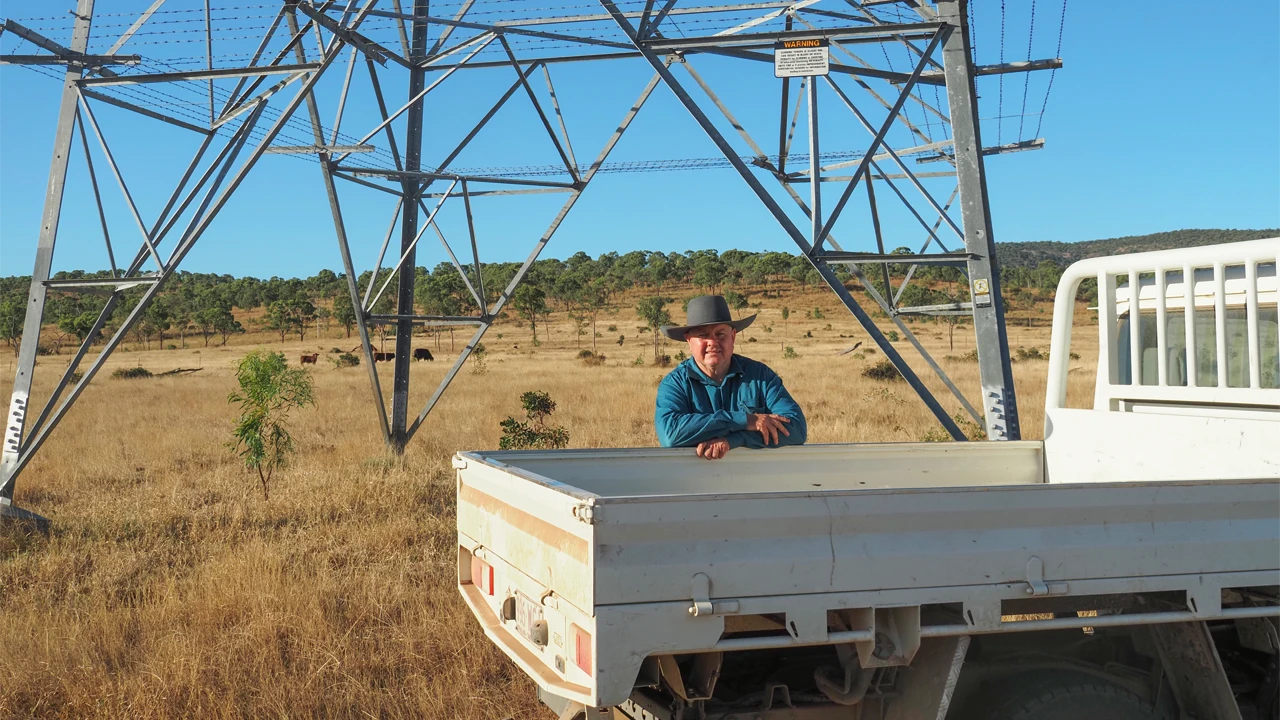
Back in the 1970s, about 150km north of Rockhampton, in Queensland, David Hill watched the first lot of transmission lines cross his family’s premium grazing property, receiving almost no repayment for it. “I was only a young fella then, but I remember my Dad talking about it and it wasn’t a positive experience,” he says. “We were still running a diesel generator for years after we had a mains power transmission line through our land. It amazes a lot of people when I mention that.”
Fifty years later, there are now three high-powered transmission lines running in a 150m wide easement for over 10km through his land. “Those three lines are supplying all of north Queensland. We basically lost our freehold tenure for the benefit of the nation.”
But in recent years his family has been excited to sign up to the Clarke Creek Wind Farm being built by Squadron Energy, hosting up to 20 towers and putting aside another unused area of the 8,500ha property to offset the carbon emissions in constructing the wind farm – paid for by Squadron.
“We’ve had some pretty ordinary experiences with power companies. But we are very, very grateful for Squadron taking on this whole thing because it’s been positive. It’s only in the past 3–4 years that landholders have been treated with respect. The project provided a bit of a chance for us to get something after putting up with those transmission lines for 50 years. It’s good for the nation as well as locally.”
One of Australia’s largest renewable energy companies, Squadron Energy (owned by Tattarang, also owners of R.M.Williams) is endeavouring to be known as the best in the industry when it comes to benchmarks such as community engagement. At the Clarke Creek Wind Farm, as well as community benefit arrangements, it’s trialling a scheme in which every home and business within 20km of the wind farm gets $1,000 off their power bill each year.
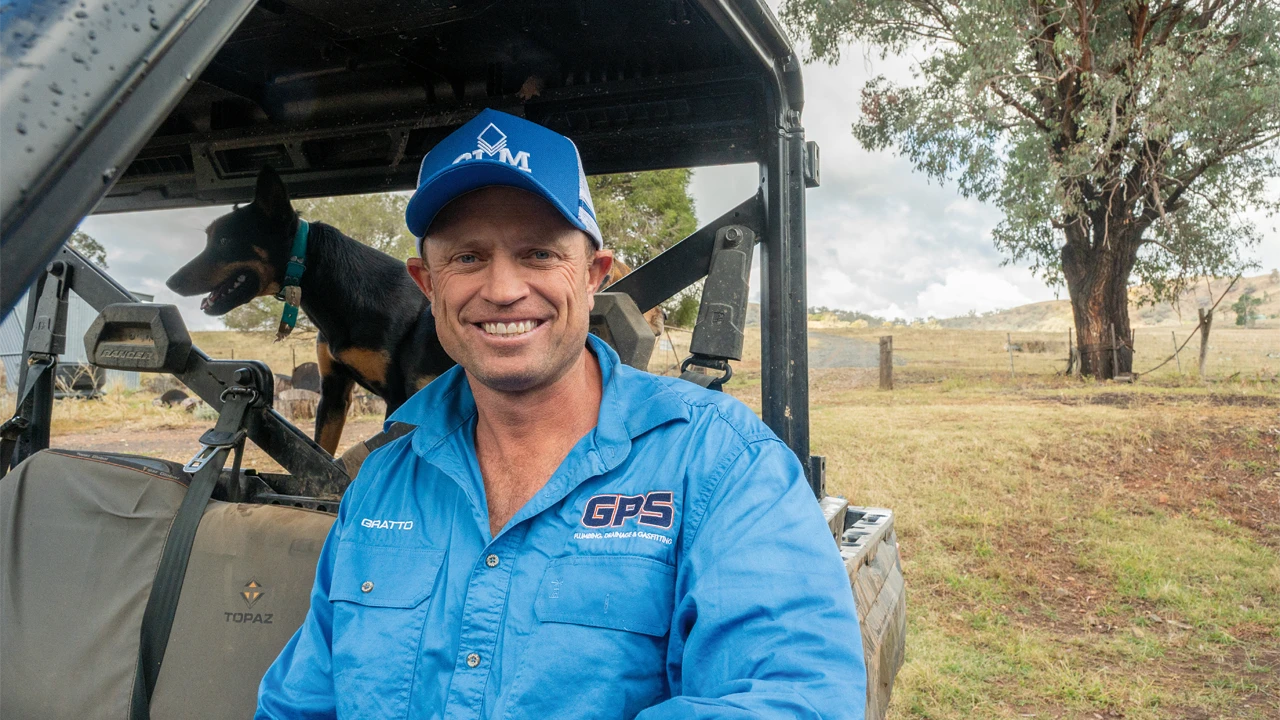
In another of Squadron’s current projects back near the Central West NSW REZ, Uungula Wind Farm, landholder and local plumber Ian ‘Gratto’ Grattan is excited to see the groundwork being laid for the seven turbines on his property, Pine Park. “I bought this place in 2017 when this project was squashed and wasn’t going to go ahead,” he says. “We just liked the country.”
Not long after, he was told the 69-turbine project was back on the cards. “You get a few comments with people saying, ‘You’re lucky’ or whatever, but you make your own luck,” he says. “Green energy is the way of the future – things are moving in that direction. I think they’ll look good. You can get a bee in your bonnet about it, but I don’t see a problem. I think the positives will outweigh the negatives.”


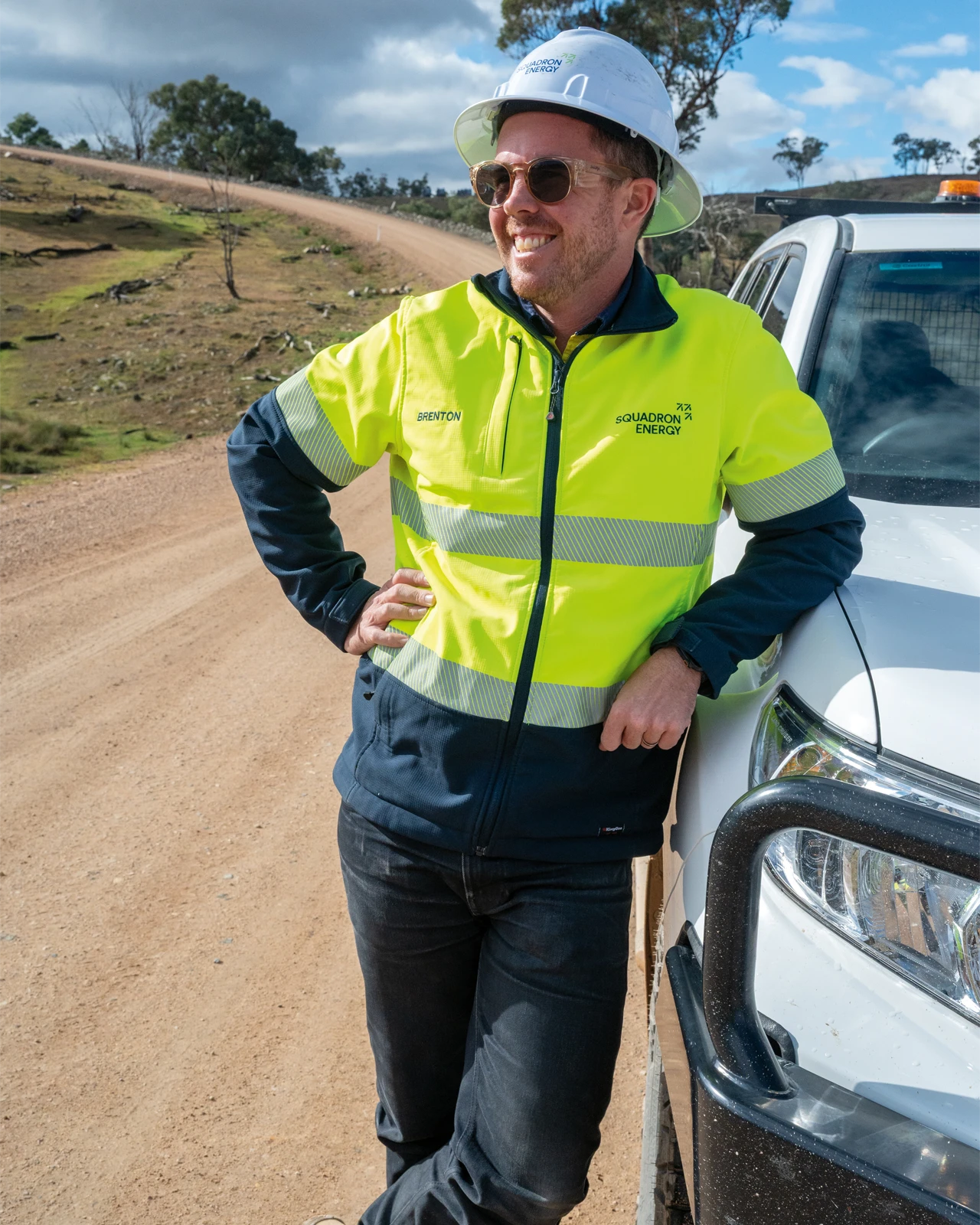
Lumbering ever so slowly up the dirt road, a truck delivers another huge tower piece to the Uungula wind farm site. Senior construction manager Brenton Dennis is overseeing most parts of the build, from the roads and hardstands through to the towers themselves. “This is the icing on the cake when these things start coming in,” he says.
With the biggest sections weighing 90 tonnes, and intersections 13km away needing to be upgraded so they can bring in the 80m rotor blades by road, with police escorts, all the way from Newcastle port, the logistics are extraordinary.
“In the 10 years I’ve been involved in the industry, towers have gone from a 2MW turbine to 6MW as the technology improves,” Brenton says. “When I started you only needed a 30 x 30m hardstand, now it’s 80m x 80m.”
Bart Sykes, who grew up in Dubbo and is regional development manager for Squadron, says 95 local businesses are directly benefitting from the building of Uungula. “From civil engineering and earthworks to concreting, vehicles being serviced in town, catering companies, people staying in town, cleaners. You go through Wellington at the moment and there are bakeries that haven’t been open for 10 years that are opening.”
In addition, he says $150 million will flow to Dubbo City Council over the life of the Uungula and Spicers Creek wind farms. “That’s huge. It’s like a war chest.”
In endeavouring to leave a positive legacy, Squadron has paid for an old nursing home to be done up as accommodation, initially used for workers during construction, but then to be donated to the community. In addition, it’s contributed $3.6 million towards a new facility at the Dubbo Wastewater Treatment Plant that will clean and recycle up to 4ML of sewage water a day, to be used for industrial purposes. “You could supply water to most of the renewable energy projects in this area from stage 1 of this project,” Bart says.
Bart says Squadron is looking forward to the wide adoption of the voluntary developer rating scheme, which opened to the industry in March 2026. In it, each developer is rated in terms of aspects such as community, conduct and character. “It’s a good way forward. Industry’s only as good as the lowest rated developer,” he says.
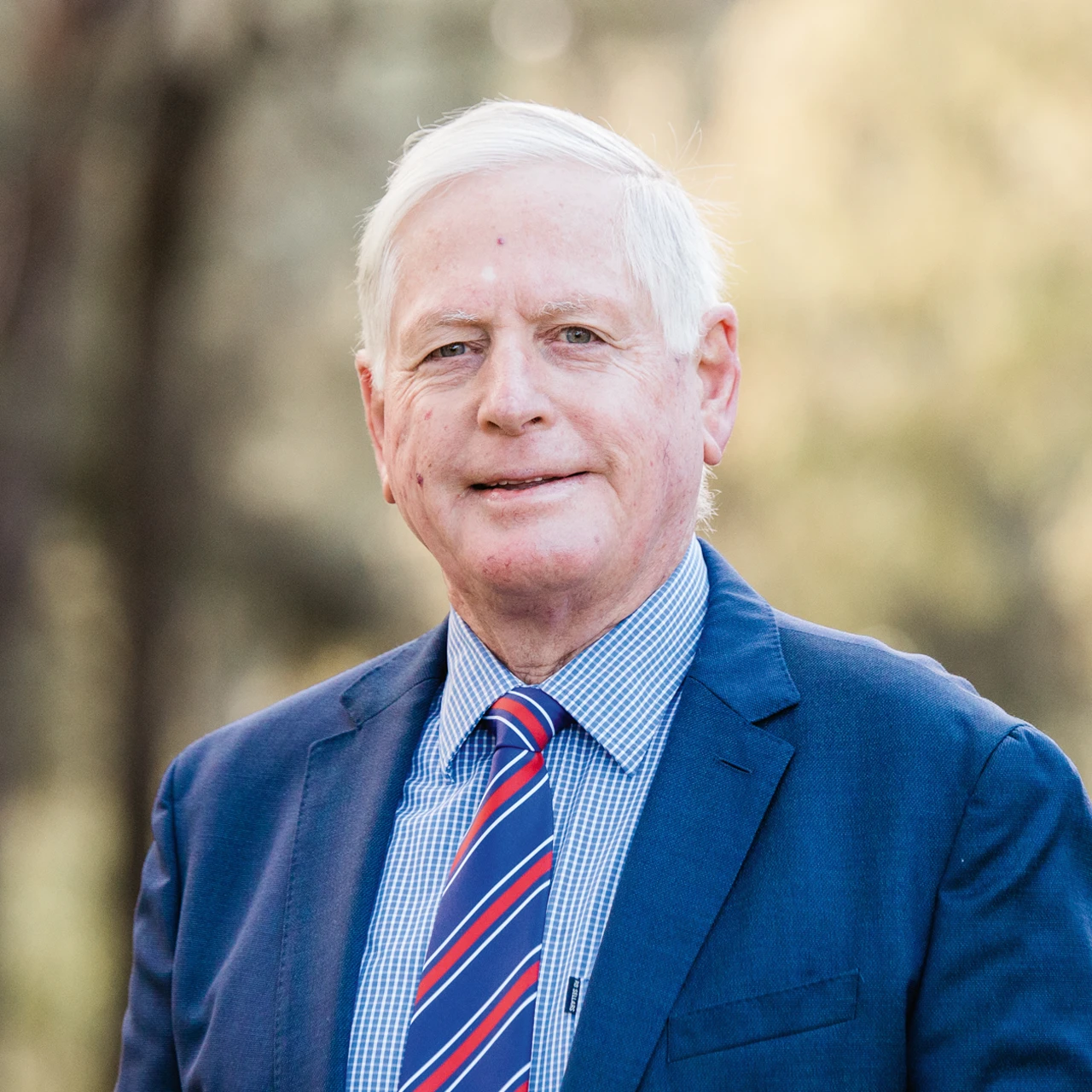
State member for Dubbo, former NSW Nationals leader Dugald Saunders, says all of the top renewable energy developers want such a scheme to take hold. “If you’re not above 3–4 stars, my feeling is you shouldn’t be able to operate in NSW.”
Of course, the rural communities affected by new renewable energy developments hope that such a scheme will lead to better communication, collaboration and outcomes for people and the environment. And that could be in many forms, such as Neoen bequeathing 100ha to the SA Government for a new national park at Worlds End Gorge through its Goyder South Wind Farm, or in Tasmania, the millions of dollars Cattle Hill Wind Farm spent on its IdentiFlight system, in which AI-driven cameras watch for eagles and shut down turbines as necessary to prevent bird strike.
In remote Aboriginal communities, First Nations people are – for the first time – being offered ownership of renewable power infrastructure. In Wujal Wujal, south of Cooktown in Far North Queensland, the 600–1,000-strong community will become majority owners of a solar plant that’s being built next year, hopefully solving the unreliable electricity supply they currently have. On the other side of the country, north of Broome, the Djarindjin Aboriginal Corporation is building the biggest turtle in the world – a 7ha turtle-shaped power station made completely out of 3,000 solar panels – that will provide almost all the electricity for the 300–400 people in Djarindjin and the 50 in Lombadina. “Djarindjin always like to do things differently,” says Nathan McIvor, CEO of Djarindjin Aboriginal Community. “We were just sitting around the table talking about how the panelling would be laid out and we thought, why don’t we make it the world’s biggest turtle.”
Nathan says it will replace the current diesel generators, which have seen the community without power for up to five days at a time. “If we have 100% ownership of the renewable energy farm, then it’s on us if we run out of power. We become controllers of our own destiny.”

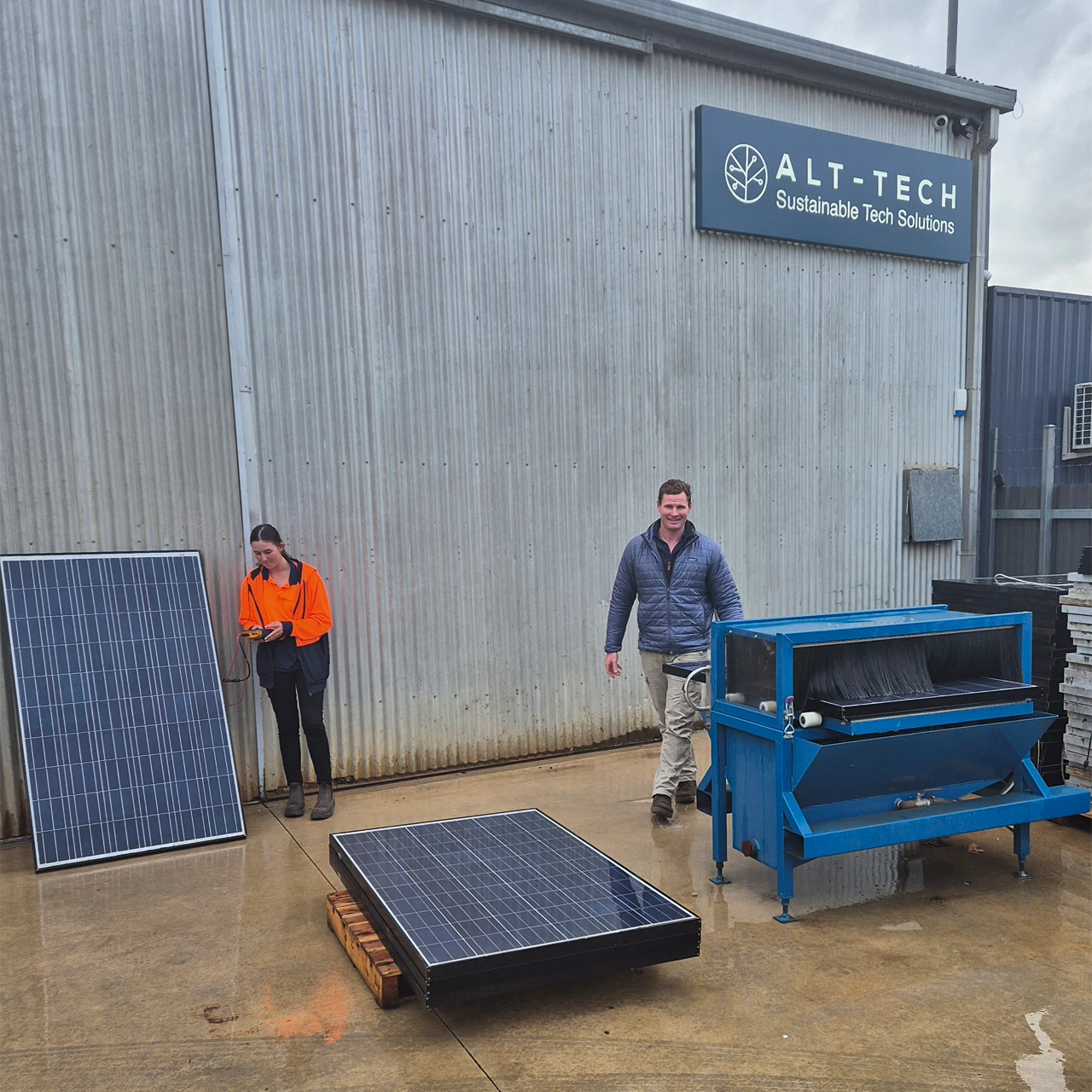
In reaching towards a more sustainable renewable energy future, a Perth-based company called Alt-Tech, has set up shop in Wagga Wagga, NSW, selling used solar panels that still have many years of use in them, particularly for use around farms. “Some rooftop solar is coming down after eight years, when they can actually be used for 25,” says branch manager Hunter Lloyd. “We clean them up, test them and put them out in a different application, whether it’s a water pump, a cottage on the farm, electric fencing, electric gates, weather stations or it could be a moisture sensor. A lot of farmers are more concerned about the bottom line than whether they have a pretty, brand new panel. And you’d rather put some cheaper panels in somewhere that a cow might rub up against it.” Along with universities that are finding ways to recycle all the elements in a solar panel, such reuse will be vital as, by 2030, it’s estimated Australians will be chucking out at least 100,000 tonnes of photovoltaic panels a year.
Fifth-generation farmer at Bungendore, NSW, Luke Osborne, is striving for the renewable energy future that solar sheep grazier Tony Inder would want. On Luke’s property, and his neighbouring cousin’s property, he’s developing a 300MW solar farm that will have multiple internal paddocks fenced, with water points right through it. “That means you can do rotational grazing, and then you’ve got laneways which follow the roads, the roads through the solar panels, so you can move the sheep efficiently between those blocks,” he says.
Luke, who is an engineer as well as a Merino farmer, set up Stride Renewables when he saw “there had to be a better way” to introduce renewable power into rural areas. “In many cases, the people who are one-eyed supporters of wind power are socially very similar to the people who are implacable opponents and I saw what divided the two was just a fence line and respect and money.
“Renewables provide a fantastic opportunity. You know, the income from this is already enormous, but in time will rival the wool industry. And unlike the wool industry, it’s passive income. This is a massive opportunity to revitalise regional Australia. In my lifetime, there’s never been a new revenue stream coming in like this. In profit terms, it’s hugely more important than some of the commodities we’re already producing in regional Australia. So, I’d love for us all to see that as an opportunity and work out together how to make the most of that.”
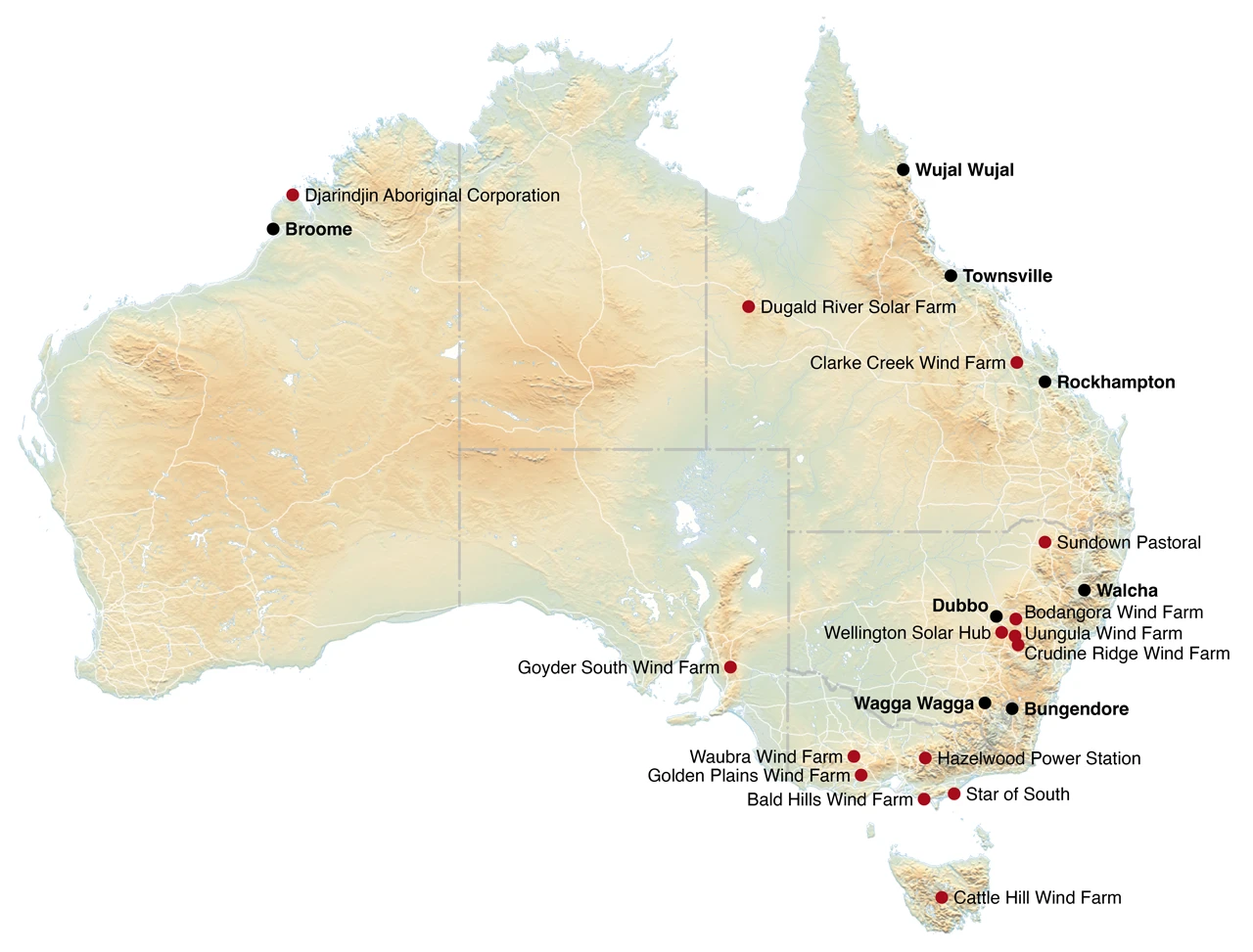
This story is from Issue #168
Outback Magazine: Aug/Sep 2026