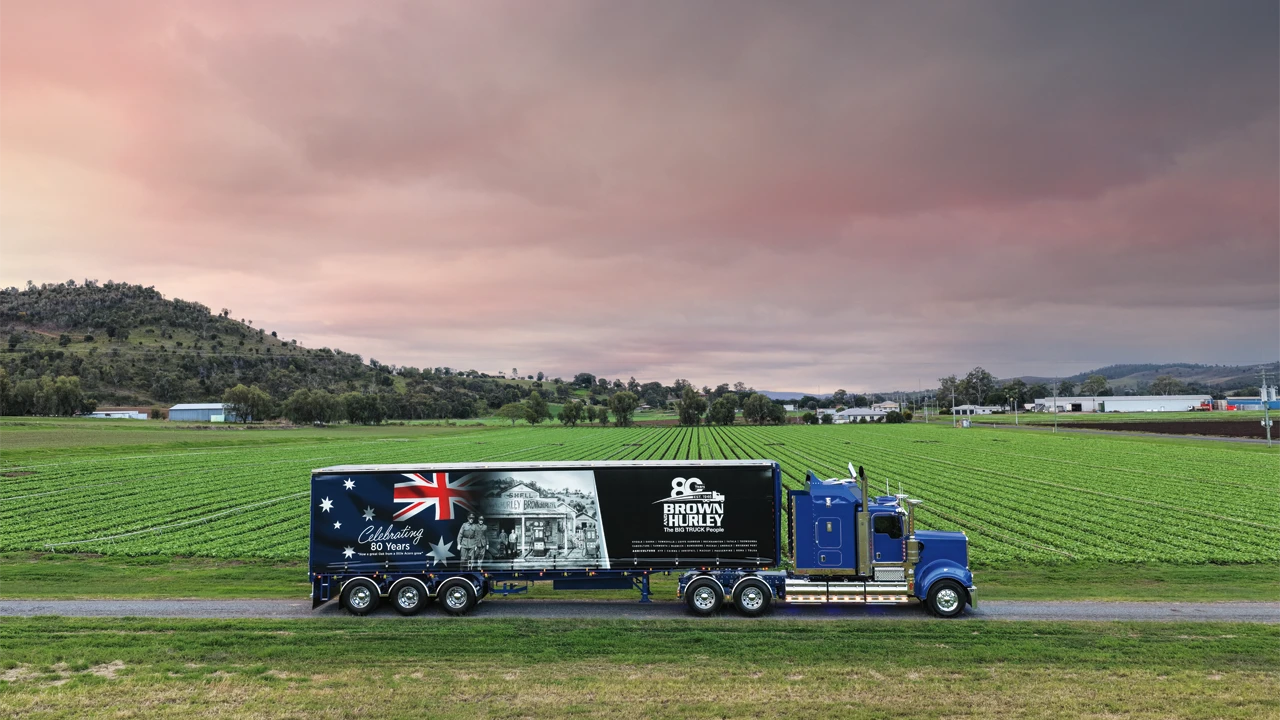

Centred around Mildura in north-western Victoria, Sunraysia is a 22,000sq km agricultural powerhouse, producing $4 billion worth of agricultural goods each year.
Story + Photos Andrew Hull
A light, white mist curls in gentle wisps from the surface of the Murray River, revealing more than it conceals of the steady waterway below, a serpentine ribbon that has wound down from the granite heights of the Snowy Mountains on its inexorable path towards the Southern Ocean, separating two states and slicing through another, converging with tributaries, branching into billabongs, and taking on the characteristics of its different geography through its lineal timeline.
Nestled between the central Riverina and the SA Riverland, the Murray runs through, dominates, identifies, irrigates and sustains an area of just over 22,000sq km of townships, localities and farms on both sides of the mighty river, known collectively as Sunraysia.
In the early morning light, a small, quiet paddleboat slices through the clear ribbon of river, stirring the kookaburras and corellas alike and leaving a shallow ripple of wake that gently laps the sandy banks and knotted roots of leaning river gums. The small boat carries a single occupant peering forward from the lever-like tiller arm and guiding the vessel in its early morning run. “It’s just magic,” says Robert Mansell, citrus farmer and paddleboat enthusiast in the locality of Colignan on the Victoria side of the Murray. “When you get going in the morning, especially a misty morning, you want to be a part of it, you want to play on the river.”
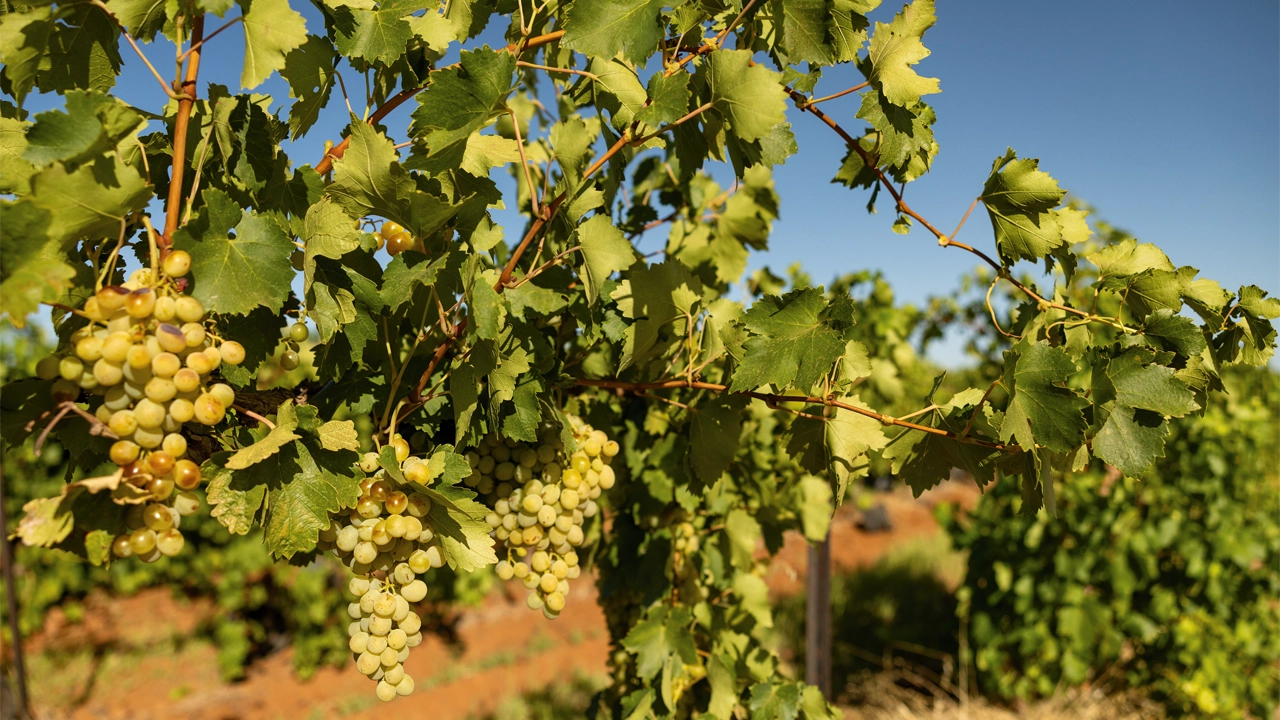
With the river as its spine, Sunraysia is a patchwork mosaic of small blocks and intensive agriculture that adds colourful seasonal variation to the otherwise grey, unchanging Mallee that dominates the natural landscape. Spiky almond groves challenge the edges of winding river roads, turning from a leafless copper-brown in the winter to a violent bloom of pinks and whites as soon as the frosty mornings abate. The shallow undulations of red sandy slopes that support the wide variety of citrus hold on desperately to their green throughout the year, but lose their vibrancy through the colder months until the telltale flowers speckle the trees, the vibrant, waxy leaves bounce the light, and the heavy orange bounty loads the limbs in crashes of abstract colour. In the vineyards, verdant greens of grapevines burst quickly into full leaf at the first hint of spring, carrying through until early autumn, when the soft oranges and reds of a more temperate climate characterise the regular shaped blocks and the uniform lines of gnarly rows. The fallow fields of annual plantings display the deep red of the earth, darkening and intensifying with every cultivation, until consumed by the sweeping sprawl of plantings that commence in the spring and flourish throughout the summer.
This story excerpt is from issue #167
Outback Magazine: June/July 2026