
Artificial Intelligence is making inroads across rural and regional industries.
Story Kate Newsome Photo Fortescue
From the cities to the far reaches of the continent, AI has become ubiquitous. The question facing every industry and region is how adopting this technology might be of benefit or detriment to their future.
Susie Sheldrick was working remotely for an AI company from her parents’ pub at Peak Crossing, Qld, when the COVID-19 pandemic struck. It was this time of “forced digitisation” that inspired her PhD research: how rural communities, small and medium-sized enterprises (SMEs), are positioned in an ever-evolving digital world.
“The literature says that AI, it’s got all this great potential, but it could also exacerbate existing issues,” says Susie, whose primary research has involved interviewing business owners and operators in rural areas of Australia and Sweden – exploring how barriers such as unreliable internet connection limit how you can access AI, let alone benefit from it. “Sometimes there’s that attitude of, ‘People in the bush don’t want technology, they’re not interested in any newfangled whizbang things.’ But there’s this real appetite for the technology, especially by small business owners, especially when it’s saving them time.”
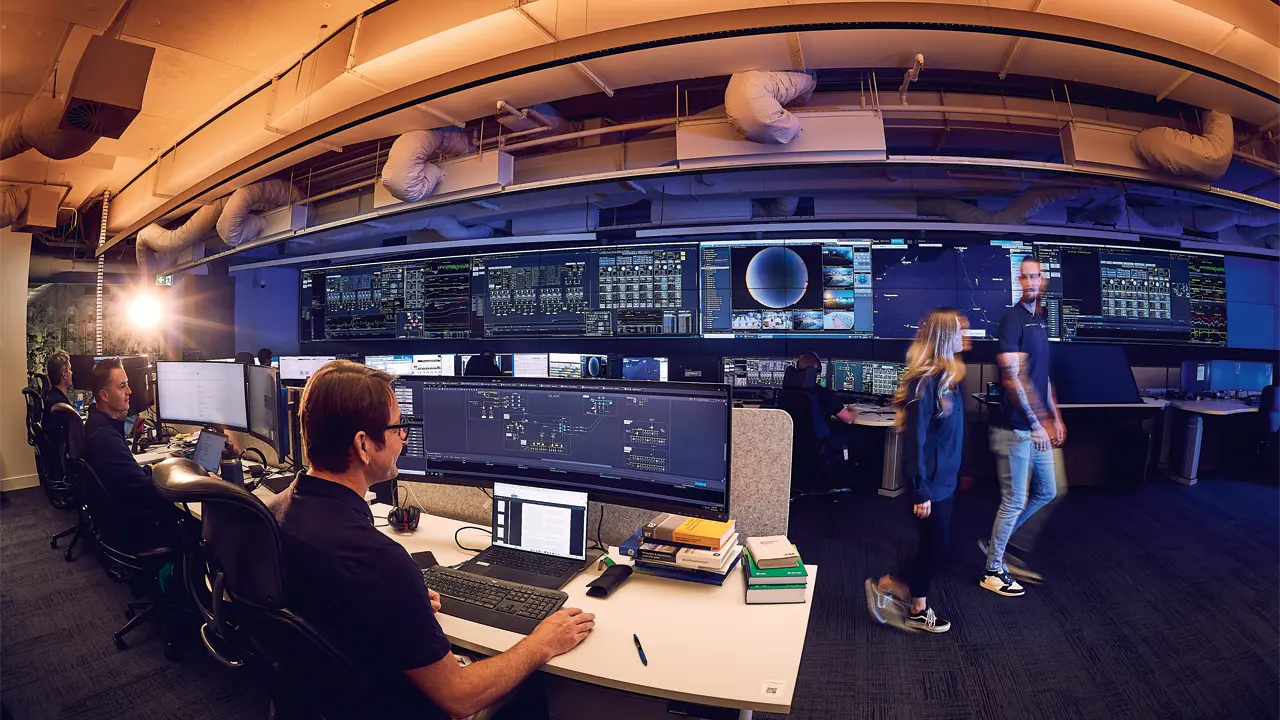
According to the Australian Bureau of Statistics, AI is the fastest growing area for business research and development in the country. Already, AI is used to automatically detect and track bushfires. It’s given rise to precision agriculture, remote farm and livestock monitoring (issue 155, p32). From a high-tech command centre in Perth, WA, Fortescue is employing AI tools to optimise the efficiency of its autonomous mining fleet in the Pilbara. And organisations such as the Australian Wildlife Conservancy are demonstrating how AI in cameras and bio-acoustic recorders can identify and protect threatened native species.
This story excerpt is from issue #164
Outback Magazine: Dec/Jan 2026