
Losing a baby through miscarriage is even harder for couples in rural and regional Australia.
Story Corinna Boldiston Photo Katrina Lemann
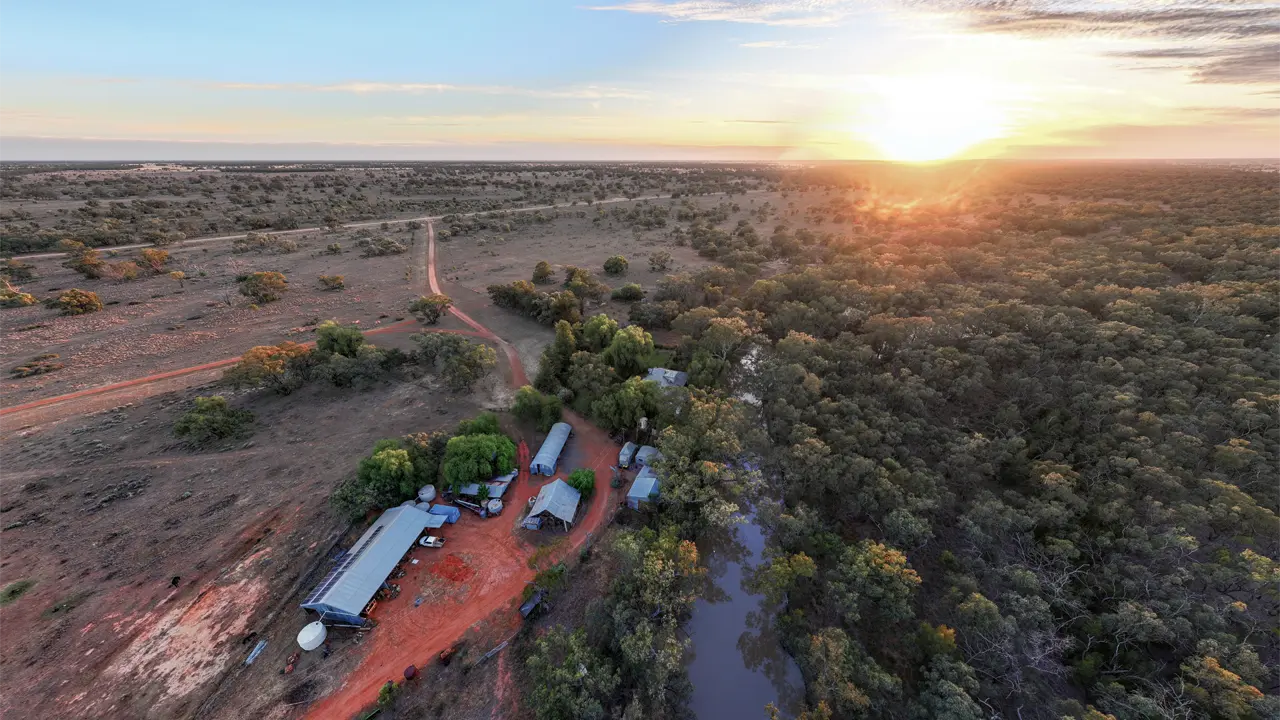
The magnolia tree in Claire Brett’s garden is a symbol of her harrowing journey through five miscarriages. Claire and her husband Jake planted the tree on their Kentucky, NSW, cattle farm after her first miscarriage. “We planted the tree as a way to remember the baby, to help us through the grief,” she says. “There was nothing here to help in regards to mental health and we were trying to find ways to do it ourselves.”
Claire is not alone in struggling to access crucial healthcare after early pregnancy loss in rural and regional Australia. Early pregnancy loss charity Pink Elephants Support Network says current data shows one in four pregnancies end in miscarriage, but recent studies suggest the figure may be as high as 37%.
Claire’s first pregnancy with Rosco, now 7, was textbook. But with consecutive miscarriages, her mental health deteriorated and her anxiety spiralled. “I was diagnosed with PTSD [post-traumatic stress disorder] a week before finding out I was pregnant with Jimmy [now 4],” she says.
Now an advocate for rural and regional women, Claire says the list of shortfalls in healthcare for rural women facing early pregnancy loss is as long as a country mile. Top of the list is the lack of continuity of care and limited access to obstetricians and mental health specialists.
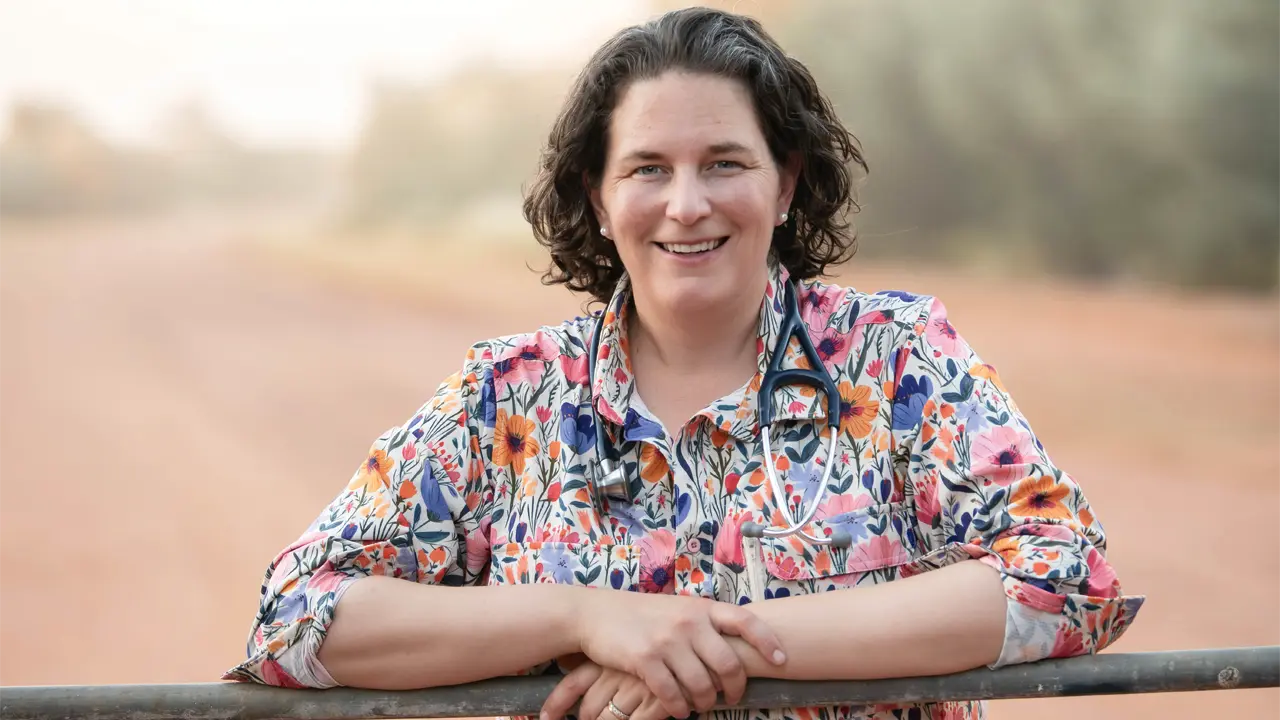
Choice and access to timely care are big barriers for rural and remote women and their families, says rural generalist Dr Megan Belot, a past president of the Rural Doctors Association of Australia. “Women need to have access to all different models of care and be able to choose what they would prefer,” she says.
Megan is based in Charleville, a major centre servicing south-western Queensland. “Charleville has maternity services and theatre, and offers a range of miscarriage services, but some women have to travel huge distances if they need an ultrasound or an operation,” she says. “It’s at least a nine-hour drive for women from Birdsville.
This story excerpt is from issue #165
Outback Magazine: Feb/Mar 2026